Putin holds stripped-back Victory Day parade as Ukrainian drones loom
President Vladimir Putin marked the 81st anniversary of Soviet victory over Nazi Germany on Friday without the tank columns and missile launchers that defined past Red Square parades. The Kremlin tightened anti-drone defences over Moscow as a Trump-brokered three-day ceasefire formally began with no signal of de-escalation.
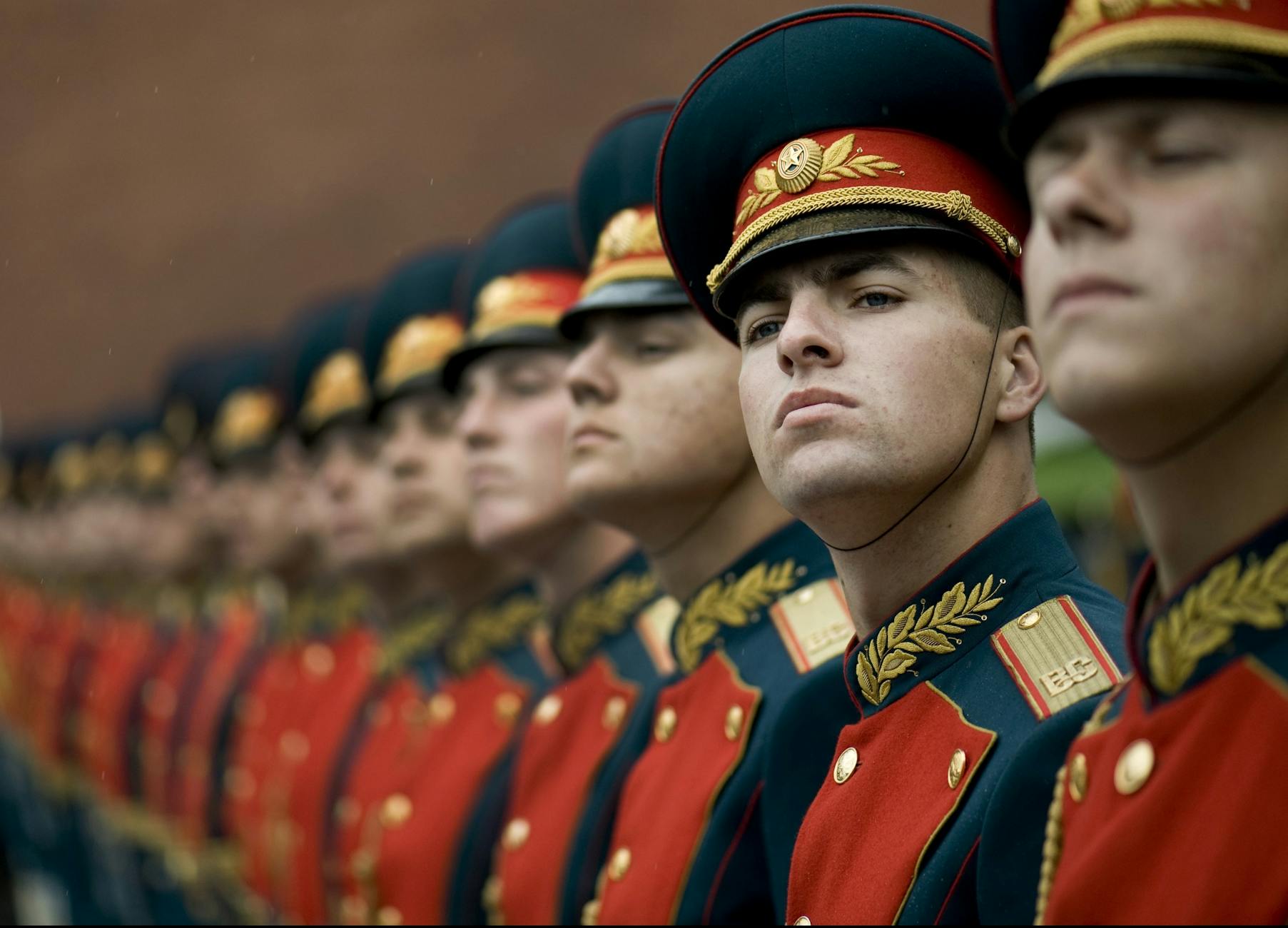
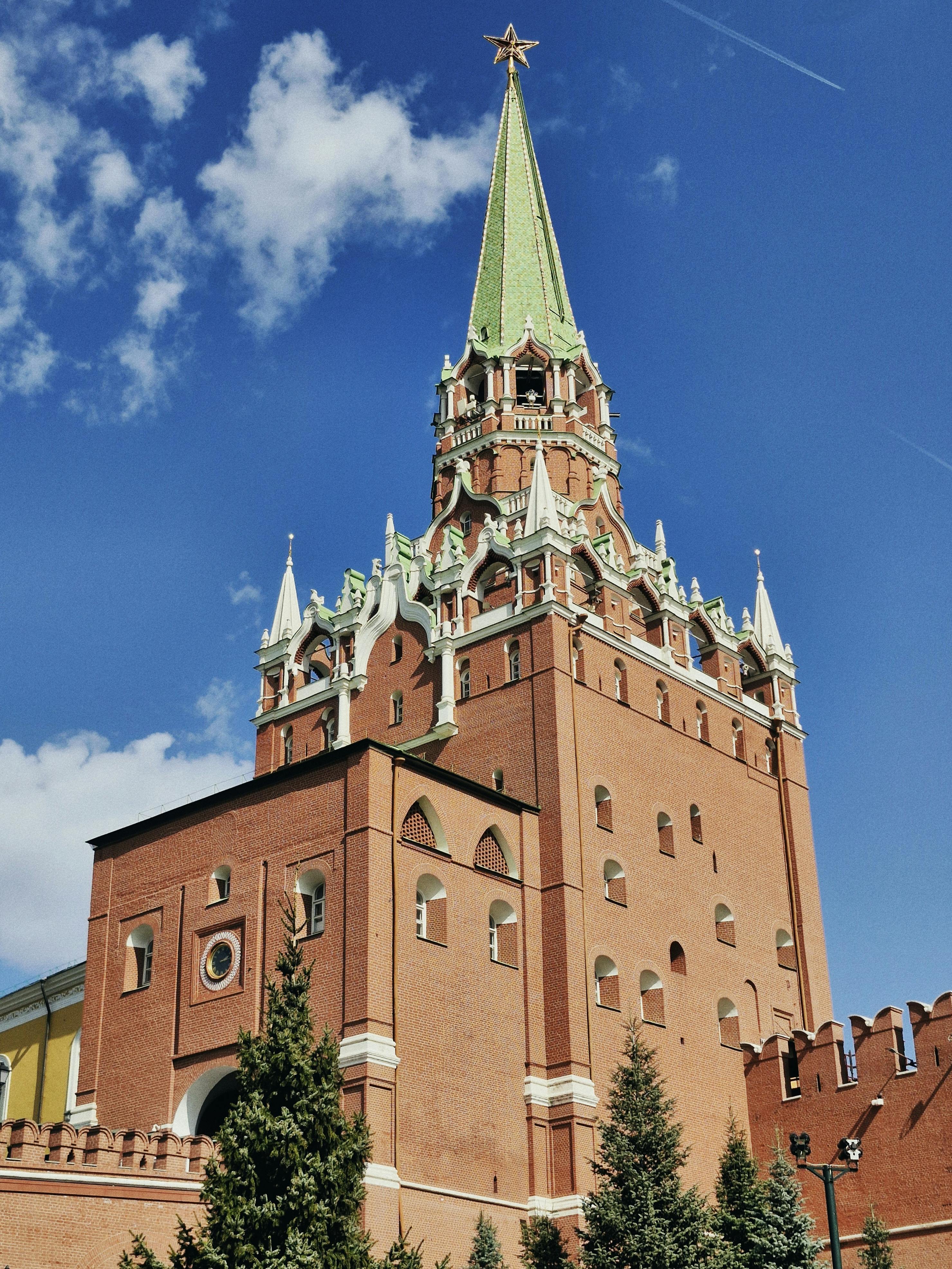
President Vladimir Putin presided over a stripped-back Victory Day parade on Red Square on Friday, marking the 81st anniversary of Soviet triumph over Nazi Germany without the rolling tank columns and missile launchers that defined the ceremony in past decades, as Russian commanders weighed the prospect of Ukrainian drone strikes hitting the cobbles in front of the Kremlin walls.
The parade ran without heavy ground hardware for the first time in nearly 20 years. Ground forces marched in formation, an aerial flypast of Sukhoi Su-25 fighter jets crossed central Moscow, and a column of North Korean troops appeared in the parade for the first time. Tanks, mobile rocket launchers and the junior cadet detachments that traditionally close the column were absent.
Putin used his address to praise Russian forces fighting in Ukraine, telling the assembled veterans and dignitaries that Russian troops were confronting “an aggressive force armed and supported by the entire NATO bloc,” according to readouts of the speech carried by Russian and Indian state outlets. He reaffirmed confidence that Russia would prevail in the war and made no reference to the three-day ceasefire announced this week by US President Donald Trump, which formally began on the same day.
Drone risk reshapes the parade
The pared-down line-up reflects an operational calculation in the defence ministry as much as a political one. Ukrainian long-range drones have repeatedly reached targets deep inside Russia in recent months, and security services treated the May 9 ceremony as the highest-risk parade since the start of the war.
Oleg Ignatov, senior Russia analyst at the International Crisis Group, said ahead of the event that the threat calculus had shifted. “Even if one or two small drones hit a military parade, it will have demonstrative and psychological effect,” he told Al Jazeera. “For modern Russia, it’s the main holiday of the year.”
Olha Polishchuk, who tracks the conflict for the Armed Conflict Location and Event Data Project, said the war had reshaped what May 9 now signifies. “Drones are indeed the primary means to attack Russia’s territory,” she said. “It appears that in modern Russia, 9 May has been twisted to support aggressive behaviour.”
Russian authorities cut mobile internet across central Moscow and parts of Saint Petersburg in the hours around the parade, in line with measures used during previous high-profile state events. The defence ministry said it deployed a multilayered air defence cordon over the capital and along approach corridors. Authorities did not publish unit-level deployments.
The independent Oryx tracker has logged more than 14,000 Russian tanks and armoured personnel carriers destroyed, abandoned or captured since the February 2022 invasion, an attrition rate defence analysts say has thinned the inventory available for ceremonial use. Equipment that does roll on May 9 typically returns to active units the following week, and commanders were reluctant to expose scarce assets to a publicised target.
Guest list shrinks
The diplomatic stands were noticeably thinner than in 2024. China sent only embassy officials to the ceremony rather than a senior delegation, in line with the downgrade reported on the eve of the parade, and several leaders who had attended in previous years stayed away. Russian state media identified a small group of foreign guests but did not publish a comprehensive roster.
Western governments did not send representatives. The European Union has discouraged member-state attendance at Russian state ceremonies since the 2022 invasion, and the United States, despite the ceasefire push, declined to attend.
Kremlin signals no shift on war aims
Even with the ceasefire technically in force, the Kremlin offered no signal of any wider de-escalation. Spokesman Dmitry Peskov, briefing reporters on Friday, acknowledged Washington’s interest in ending the conflict but repeated that “the difficulties in reaching an agreement” remained substantial, and said the timeline for peace talks was uncertain.
Trump’s pause, announced earlier in the week, runs from May 9 through May 11 and includes a 1,000-person prisoner exchange per side. The US president has indicated the truce could be extended if both sides hold to its terms. Russian and Ukrainian forces had reported sporadic fighting along the contact line in the Donbas hours before the parade began, though both governments said they intended to honour the pause.
The 81st-anniversary framing put the focus squarely on the wartime present. Putin closed his remarks by linking the current conflict to the Soviet effort against Nazi Germany, in which 27 million Soviet citizens died, a comparison the Kremlin has used throughout the Ukraine campaign and one Western governments and Ukrainian officials reject.
What happens next
Russia’s General Staff is expected to maintain the heightened air defence posture across western Russia for the duration of the Trump truce. Diplomats in Moscow will be watching for any extension of the ceasefire beyond May 11 and for movement on the prisoner exchange, the most concrete deliverable of the pause so far. The Kremlin has not committed to follow-on talks, and Peskov’s remarks on Friday suggested no breakthrough is imminent.
The next set-piece test for Russian air defences will be the St Petersburg International Economic Forum in June, another event the Kremlin uses to project stability and one that has drawn drone interest in past summers.

Anya Voronova
Eastern Europe correspondent covering the war in Ukraine, Russia and the Caucasus. Reports from Warsaw.