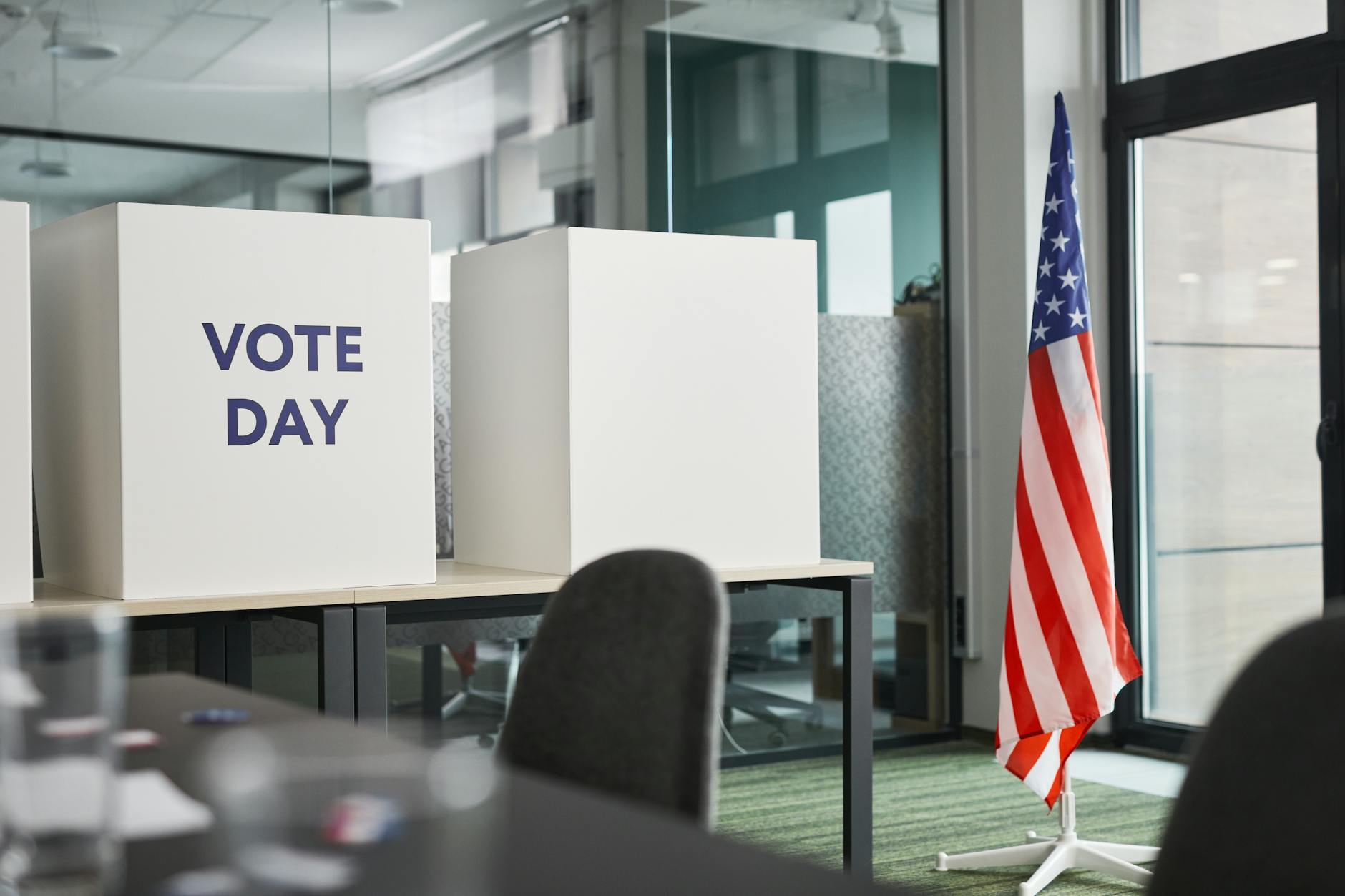
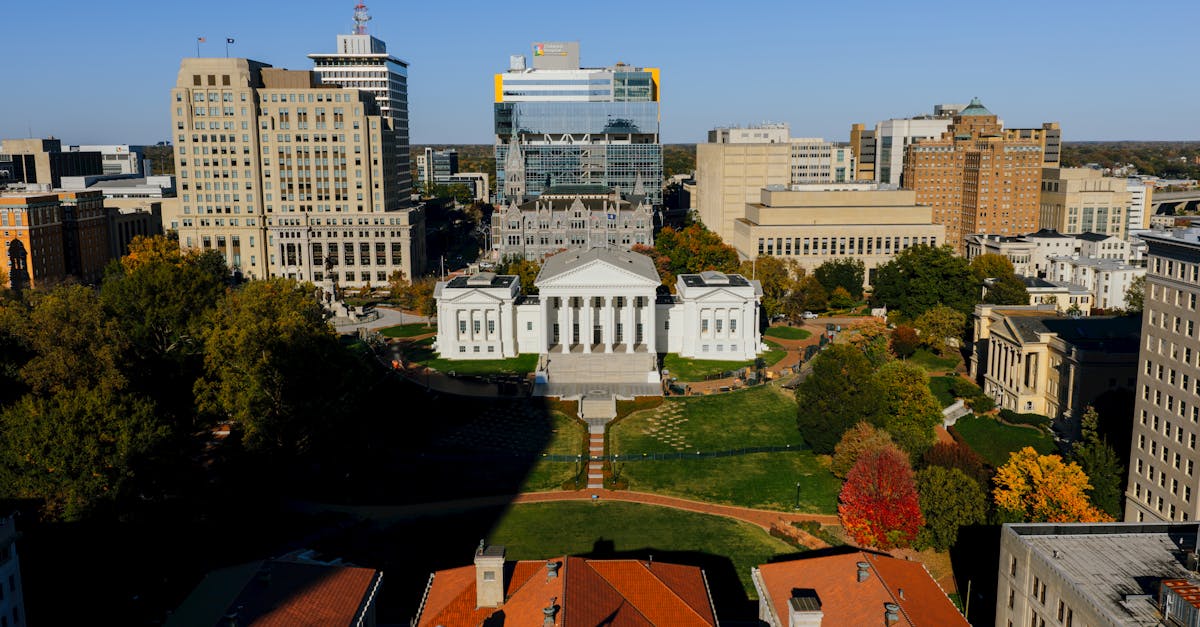
Virginia Supreme Court voids redistricting referendum in 4-3 ruling
Virginia's Supreme Court struck down a voter-approved redistricting referendum on Friday in a 4-3 ruling, blocking a map that would have given Democrats four more congressional seats. Attorney General Jay Jones said Democrats would appeal to the US Supreme Court.
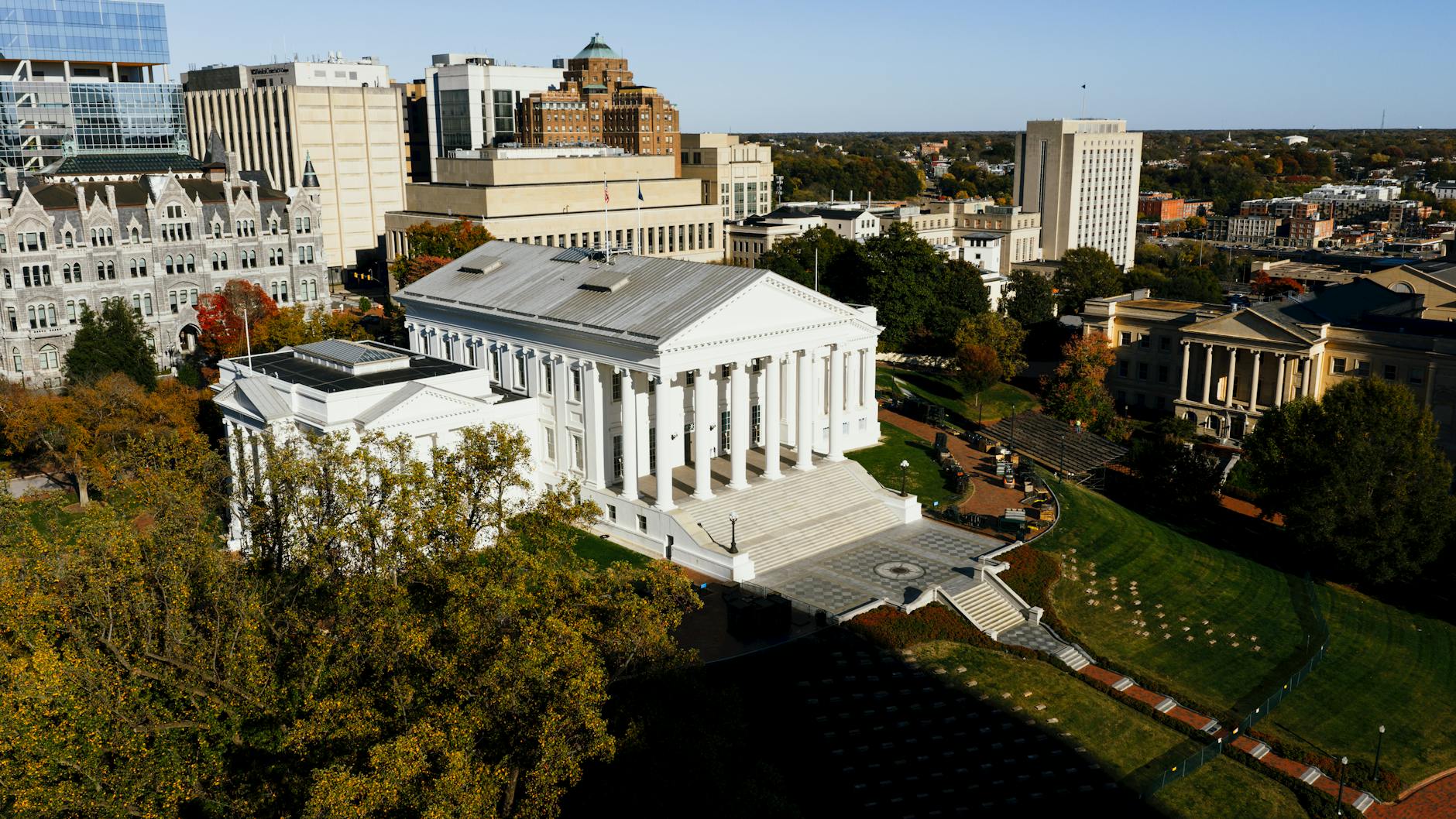
Virginia’s Supreme Court struck down a voter-approved redistricting referendum on Friday, voiding by a 4-3 margin a map that would have given Democrats four more seats in the state’s congressional delegation and triggering an immediate appeal to the US Supreme Court.
The 46-page opinion held that Democratic lawmakers in Richmond violated procedural requirements in Article XII, Section 1 of the Virginia Constitution when the General Assembly approved the amendment on October 31, 2025, more than a month into the early-voting window for the House of Delegates election. About 1.3 million Virginians, roughly 40 per cent of the eventual electorate, had already cast ballots before the second legislative passage required to put the measure on the ballot.
“We hold that the legislative process employed to advance this proposal violated Article XII, Section 1 of the Constitution of Virginia,” the court majority wrote, adding that the timing flaw “irreparably undermines the integrity of the resulting referendum vote and renders it null and void.”
The decision restores the 6-5 Democratic-Republican congressional map that has applied since 2021, replacing the 10-1 Democratic split the new lines would have produced for the 2026 midterms. Voters had narrowly approved the referendum on April 21, with 51.69 per cent in favour on a turnout of 48.59 per cent.
President Donald Trump welcomed the ruling. “Huge win for the Republican Party,” he said in a statement reported by Fox News.
How the case turned
The challenge centred on whether the General Assembly’s two required votes on a constitutional amendment had to bracket a complete general election or could span the early-voting window. Democrats argued the second vote on January 16, 2026, came after Election Day on November 4, 2025, and therefore satisfied the rule. The court disagreed, holding that the “general election” includes the entire voting period and that the October 31 first vote had been taken while the electorate was already at the polls.
Republicans had passed the original 2020 amendment that handed map-drawing to a bipartisan commission, an arrangement Democrats moved to undo after winning unified control of state government. The October 31 first passage cleared the House of Delegates 51-42 and the Senate 21-16. After the second passage in January, lawmakers placed the measure before voters at the April 21 special election.
Democrats vow to appeal
Attorney General Jay Jones said his office would seek emergency relief from the US Supreme Court. “We are evaluating every legal pathway forward to defend the will of the people and protect the integrity of Virginia’s elections,” he said in a statement.
Jones called the decision a setback for democracy. “This decision silences the voices of millions of Virginians who cast their ballots and fuels growing fears about democracy,” he told WTVR in Richmond.
House of Delegates Speaker Don Scott, a Democrat, joined the appeal motion. “This is not the time to despair, this is the time to keep fighting,” Scott told reporters in Richmond.
House Democratic Leader Hakeem Jeffries of New York said Washington Democrats would back any legal route. “We are exploring all options to overturn this shocking decision,” he said. “No matter what it takes, House Democrats will win in November.”
Former Vice President Kamala Harris posted a sharper response on X. “The Virginia Supreme Court ignored the will of the people and overturned those democratically chosen maps,” she wrote in a post quoted by The Hill. “This ruling gives a boost to Donald Trump’s effort to rig the 2026 elections and the Republicans’ long game to attack voting rights.”
Virginia Governor Abigail Spanberger, a first-term Democrat sworn in this January, signalled support for the appeal through her communications office but did not address the ruling in detail.
Republicans hold the line
Senate Republican Leader Ryan T. McDougle and House Minority Leader Terry Kilgore called the decision a constitutional correction. The ruling “establishes once again that the Constitution of Virginia means what it says,” Kilgore said.
The case has unfolded against a tightening Republican primary calendar in which Trump-aligned candidates have repeatedly prevailed, with control of the US House in 2027 widely expected to turn on a handful of seats. Both parties view Virginia’s congressional map as one of a small number of state-level fights with national consequences.
What happens next
Jones and Scott filed a joint motion on Friday evening asking the Virginia Supreme Court to delay its mandate while the federal appeal is prepared. A spokesperson for the attorney general said the filing was “an imperative step in the process we promised to pursue to explore every available option to restore the will of the voters.”
If the US Supreme Court declines to intervene, Virginia’s congressional primaries will proceed under the existing 11-district map. The State Board of Elections confirmed it will take no further action on the voided referendum and that the boundaries in place before the April 21 vote will govern both the primary and the November general election.
Cayce Myers, a Virginia Tech professor of communication and law, said litigation of this kind would likely keep moving through state and federal courts whatever the outcome of the federal appeal. Several other states are pursuing or contesting their own mid-decade redistricting moves, with cases pending or threatened in Louisiana, Tennessee, Alabama, South Carolina, Florida and California. Democrats and Republicans have each accused the other of using the courts and the state legislatures to lock in midterm advantages.

Eli Donovan
Supreme Court and legal affairs correspondent covering the federal judiciary and constitutional law. Reports from Washington.