Indiana primary sweep restates the Republican rule on crossing Trump
Trump-backed challengers ousted at least five Indiana state senators who blocked his redistricting push. As the Texas Senate runoff still waits on a presidential endorsement, the Indiana result reads as a narrow but emphatic verdict on the enforcer question.
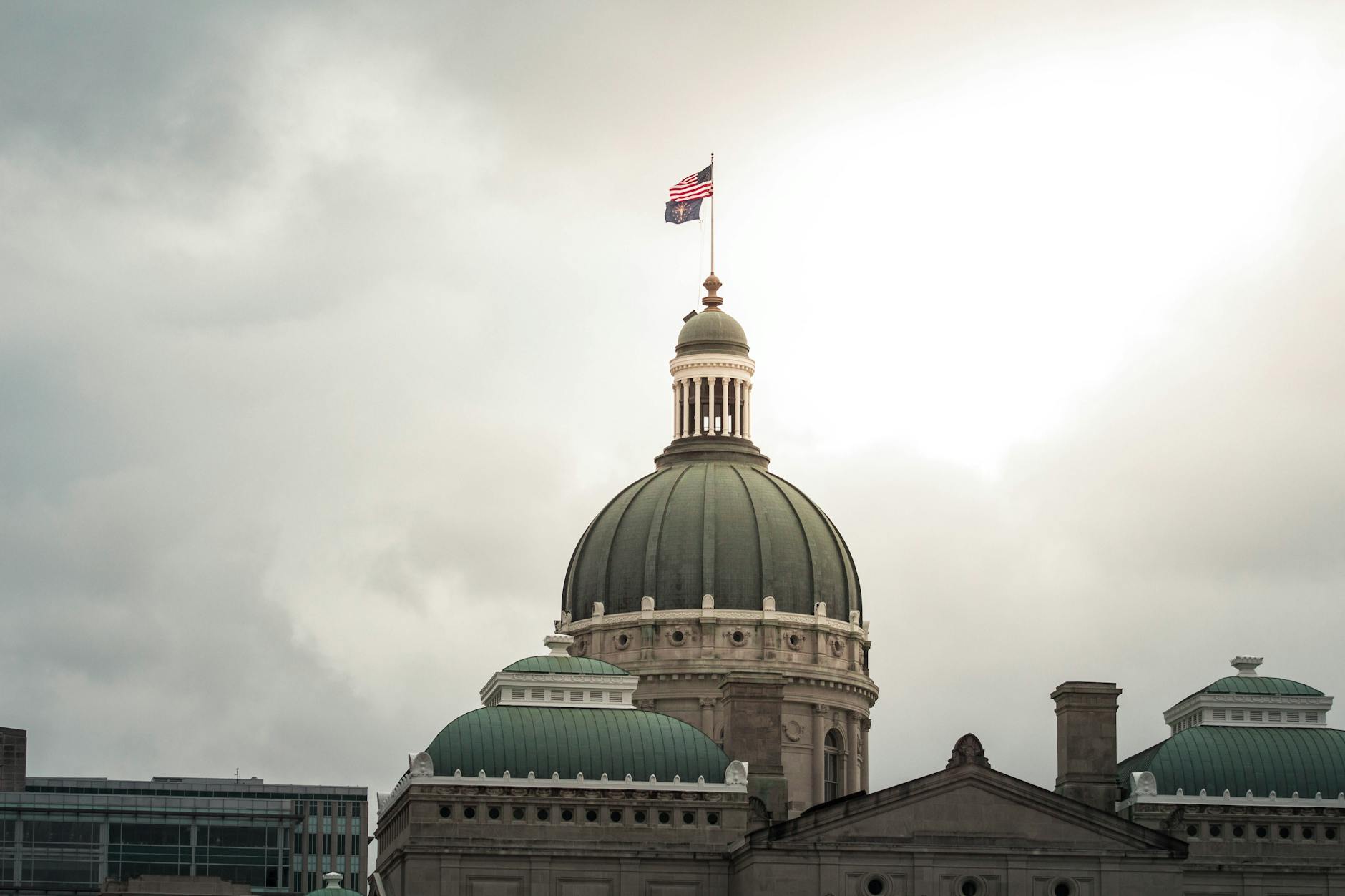
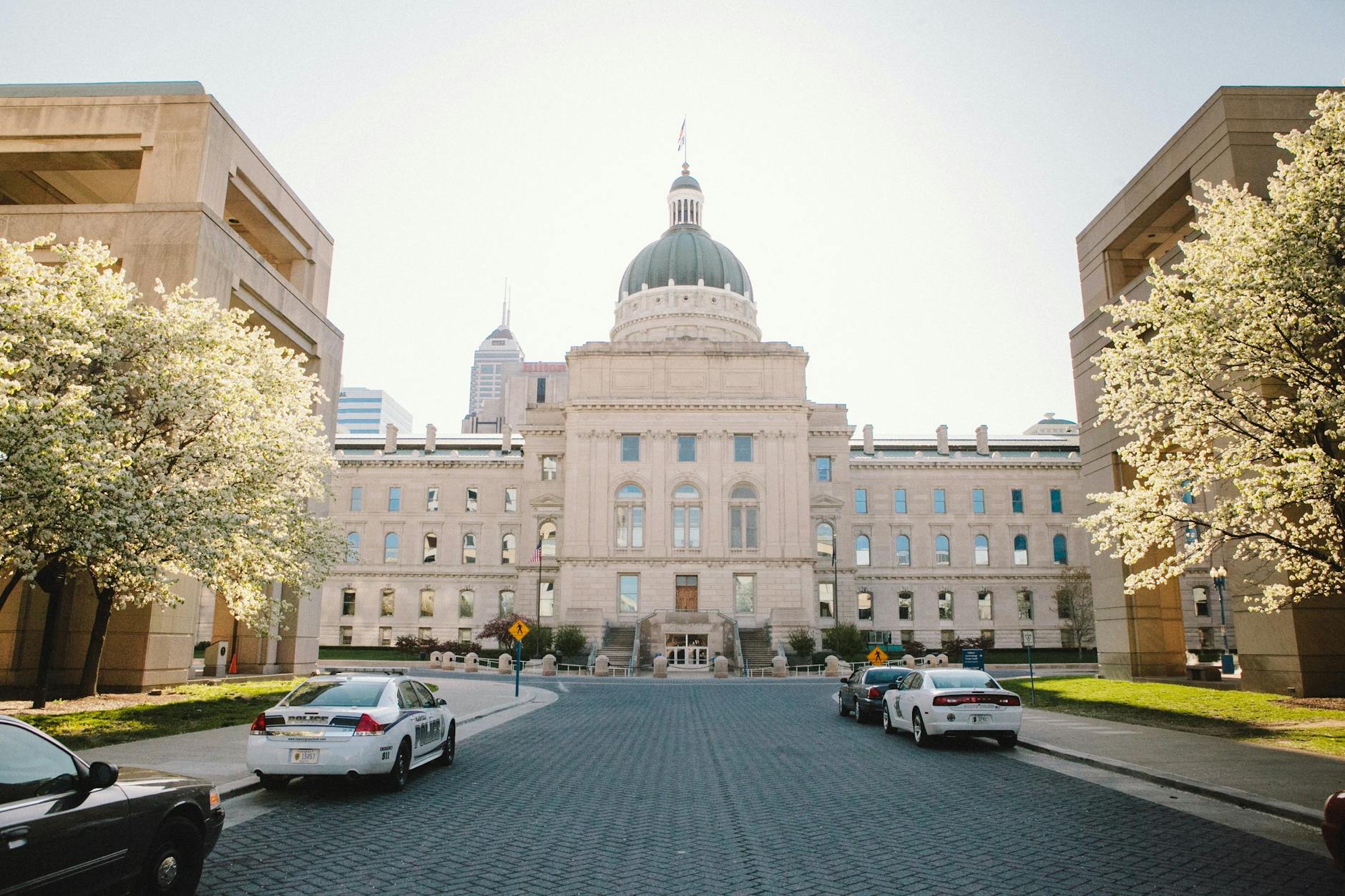
President Donald Trump’s Indiana primary slate swept past five Republican state senators on Tuesday, punishing incumbents who had blocked his congressional redistricting plan and answering, at least for now, the question of whether the president still functions as the Republican Party’s chief enforcer.
Trump-aligned challengers won at least five of the seven races where the president had endorsed primary opponents to sitting state senators, according to results compiled by NBC News and WFYI. One incumbent who voted against the redistricting bill, Sen. Greg Goode (R-Terre Haute), survived. One race remained too close to call as provisional ballots in District 23 trickled in.
The defeated senators included Sen. Greg Walker, who lost his District 41 seat by 17.5 points to state Rep. Michelle Davis (R-Whiteland); Sen. Linda Rogers, who faced roughly $670,000 in television advertising attacking her in the closing weeks; and Sen. Travis Holdman, ousted by a Trump-backed challenger after more than a decade in the chamber. A separate incumbent, former Sen. Andy Zay, had resigned in January rather than face a primary opponent.
For Trump, the Tuesday returns vindicated a months-long pressure campaign that began when 21 of Indiana’s 39 Republican state senators joined all 10 Democrats in December to defeat a redistricting bill 31-19, according to NBC News. The proposed map would have redrawn Indiana’s congressional districts to give Republicans, who currently hold seven of the state’s nine U.S. House seats, two more. Trump called publicly in November for primary challenges against any Republican who voted no.
The cost of the campaign
Trump-aligned groups spent roughly $8.3 million on television, mail and digital advertising across the seven contests, according to PBS NewsHour. Indiana state senate primaries normally draw a fraction of that. The figure does not include counter-spending by the incumbents themselves or by groups attempting to defend them, which several reports estimated pushed total advertising in the seven contests above $12 million.
The intervention worked at a level political scientists called unusual. Laura Merrifield Wilson, a political scientist at the University of Indianapolis, said incumbents in American legislative primaries typically win about 90 per cent of the time.
“It’s highly unusual to see so many challengers defeat incumbents,” Wilson said.
In a TruthSocial post on the eve of the primary, Trump cast the contests as a loyalty test, calling the incumbents “long seated RINOS” and writing, “There are eight Great Patriots running against long seated RINOS, Let’s see how those RINOS do tonight!”
What the winners said
The senators who picked up the seats credited Trump directly. Davis, who defeated Walker, said she was grateful for the president’s endorsement.
“I want to thank President Donald Trump for his support,” Davis said in a statement reported by WFYI. “I’m proud to stand with him in fighting for commonsense policies.”
Sen. Jim Banks (R-Ind.), the state’s senior senator and an early Trump backer in the redistricting fight, framed the results as a verdict on the local Republican electorate.
“President Trump is the single most popular Republican among Hoosier voters,” Banks said. “Indiana is a conservative state, and we deserve conservatives in our State Senate who have a pulse on Republican voters.”
Indiana Gov. Mike Braun (R-Ind.), who had publicly endorsed several of the challengers, called the night a historic outcome for the state party. Braun has been one of Trump’s most reliable governors on map-related fights, and signalled in the run-up to the primary that he expected the Indiana legislature to revisit the redistricting plan in 2027 with a more compliant Senate.
The losers were unrepentant
The ousted senators did not publicly recant. Walker, in remarks to Yahoo News, said he would have voted the same way if given the chance again.
“I made the right choice,” Walker said. “This is ridiculous and this will backfire.”
Walker said his opposition to the map had been substantive rather than political, arguing the proposed lines could have reduced Republican margins in safe districts and risked turning the state’s 7-2 congressional split into a 6-3 if national conditions broke against the party.
Rogers, defeated in suburban Indianapolis after a barrage of attack ads, told supporters that flipping her vote would have meant betraying her constituents on a map drawn under federal pressure.
“It would have been easy for me to hit that ‘yes’ button,” Rogers said.
Goode, the only known incumbent to survive, attributed his win to a closer reading of his rural southwestern Indiana district than the president’s advisers had achieved.
“What I believe is that Donald Trump got some really bad political advice from D.C. insiders who did not understand Indiana,” Goode said.
Zay, the senator who walked away from his seat in January, summed up the calculation that several of his former colleagues said had defined the cycle.
“Trump matters and money matters,” Zay said.
The Texas counter-test
Even as the Indiana returns came in, a different test of Trump’s enforcer machinery remained unresolved more than 1,000 miles south. The president has so far declined to endorse in the Texas Republican Senate runoff between Sen. John Cornyn and state Attorney General Ken Paxton, despite pledging an endorsement on March 4, the day after the first round.
Cornyn finished the March 3 primary with 42 per cent. Paxton took 40.5 per cent. Rep. Wesley Hunt (R-Texas) ran third and was eliminated. Trump said in early March that he would weigh in “soon”; by Tuesday, 65 days had passed without a public endorsement, and three people involved in the race told the Texas Tribune they no longer expected one. The runoff is May 26.
Trump told Fox News in late April that he wanted to endorse “but the main thing I have to do is find out who’s going to get the Save America Act approved,” referring to a procedural fight in Washington over Senate filibuster rules. Both Cornyn and Paxton have since pledged to support whatever rules changes are needed to pass the bill, neutralising what had been Trump’s leverage point.
The Texas hold-out is conspicuous because of the contrast with Indiana. The president has endorsed 286 Republican candidates in 2026 primaries, according to a tally referenced by the AOL / Texas Tribune report, most of them challenging incumbents who crossed him on something specific. The Texas runoff has neither a clear policy trigger nor a clear factional Trump preference, and his absence from the race is being read by Republican operatives in Austin as either careful neutrality or quiet disengagement.
What Indiana settles, and what it doesn’t
The Indiana sweep, paired with the ouster of the five Republican senators, settles one part of the question that had hung over Republican strategy circles since the redistricting defeat in December. Trump can still organise a punishment primary, raise the money for it, identify acceptable challengers, and turn out a Republican primary electorate against an incumbent who has crossed him on a discrete vote. The 90 per cent incumbency baseline Wilson cited was not just dented. In Indiana on Tuesday, it inverted.
Whether that translates into national-level enforcement against federal Republicans like Sen. Bill Cassidy (R-La.) and Rep. Thomas Massie (R-Ky.), whom Trump has flagged as next targets, is a different question. State legislative races run on smaller electorates, smaller media markets and tighter party loyalties than U.S. Senate or House primaries. The same $8.3 million that overwhelmed seven Indiana state senate races would buy a fraction of the airtime in a Louisiana or Kentucky federal contest.
The Texas runoff offers the cleaner proxy. If the May 26 vote produces a winner without a Trump endorsement, it will mark the first competitive 2026 Republican Senate primary the president has effectively sat out. Republican strategists tracking the race said that outcome, more than the Indiana sweep, would shape the second half of the 2026 primary calendar, where several incumbent senators face challengers and where Trump has signalled he intends to play.
For now the Indiana result reads as the version of enforcement Trump has practised since 2017. Pick a discrete defection. Identify the defectors. Fund their challengers. Deliver a result loud enough that the next legislator weighing a no vote remembers it. Tuesday delivered that. The Texas hold-out is the reminder that the president can still pick his fights.

Ramona Castellanos
US politics correspondent covering Congress, primaries and the Trump administration. Reports from Washington.