Texas GOP backs resolution affirming states right to repel border invasion
The Texas Republican congressional delegation is pushing a House resolution that would affirm states' constitutional authority to repel border invasions when the federal government fails to protect them.
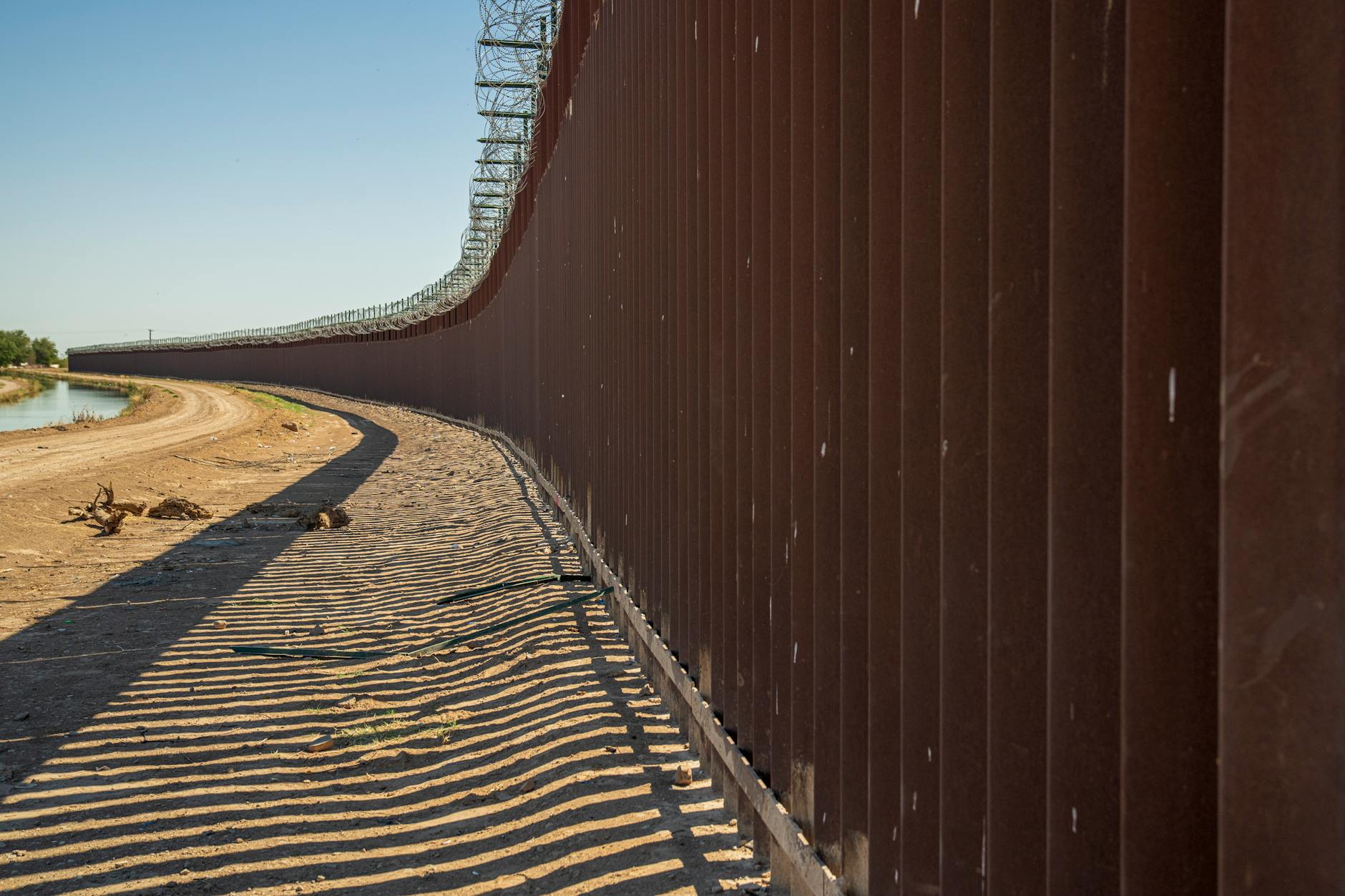
The Texas Republican congressional delegation is pressing Congress to approve a House resolution that affirms states have the constitutional authority to repel cross-border invasions when the federal government fails to protect them, citing a constitutional provision rarely tested in the immigration context.
H.Res. 50, introduced by Representative Jodey Arrington in 2021 and now backed by the full Texas GOP caucus, rests on Article I, Section 10 of the Constitution. That clause permits states to engage in war if “actually invaded, or in such imminent Danger as will not admit of delay.” The resolution argues the federal government has not met its Article IV, Section 4 duty to shield states from invasion.
Representative Nathaniel Moran, the Texas GOP caucus chairman, and Representative Brandon Gill joined Arrington in urging the full House to take up the measure. Arrington said a safeguard is needed now, while Republicans hold the White House, because a Democrat could return and reverse enforcement policy.
Arrington pointed to more than 100,000 overdose deaths in a single year under the Biden administration and what he called millions of illegal crossings as evidence that federal enforcement has failed.
The resolution is part of a Republican effort to expand state-level immigration authority. Arizona, Florida and Iowa have each passed laws in the past two years letting state and local police make immigration arrests.
The resolution arrives as a separate Texas statute, S.B. 4, faces a new constitutional challenge. The American Civil Liberties Union, the ACLU of Texas and the Texas Civil Rights Project filed a lawsuit seeking an emergency court order to block the law before its 15 May effective date. Cody Wofsy, deputy director of the ACLU’s Immigrants’ Rights Project, called S.B. 4 “cruel and illegal.”
“Every court to have reached the merits of laws like S.B. 4 has found them to be unconstitutional,” Wofsy said.
The constitutional question
The legal ground is unsettled. A federal appeals court vacated a lower court ruling that had blocked S.B. 4, finding the plaintiffs lacked standing. But the appellate ruling left open the larger question of whether a state can criminalise conduct already covered by federal immigration law.
John Yoo, a former deputy assistant attorney general in the Office of Legal Counsel, noted that courts “have long treated immigration enforcement as primarily a federal responsibility” and that the Constitution “forbids states from interfering with the federal government’s monopoly over our territorial sovereignty.”
The conflict in both measures is between a state’s claimed right to act when it says the federal government cannot enforce the border and Washington’s exclusive hold over immigration law. Arrington has said he expects S.B. 4 to reach the Supreme Court.
What happens next
The Texas GOP caucus is pressing for floor action on H.Res. 50, though the resolution does not carry the force of law. The nearer legal fight centres on S.B. 4. Its 15 May effective date gives the federal courts about one week to act on the ACLU’s request for an emergency injunction. Both sides expect the core constitutional question to reach the Supreme Court whatever the district court decides.

Ramona Castellanos
US politics correspondent covering Congress, primaries and the Trump administration. Reports from Washington.