Supreme Court bars racial gerrymandering claims under Voting Rights Act
The US Supreme Court ruled 6-3 that using race to draw election districts is unconstitutional, requiring plaintiffs to prove discriminatory intent rather than effects. Republican states began redrawing maps within hours.
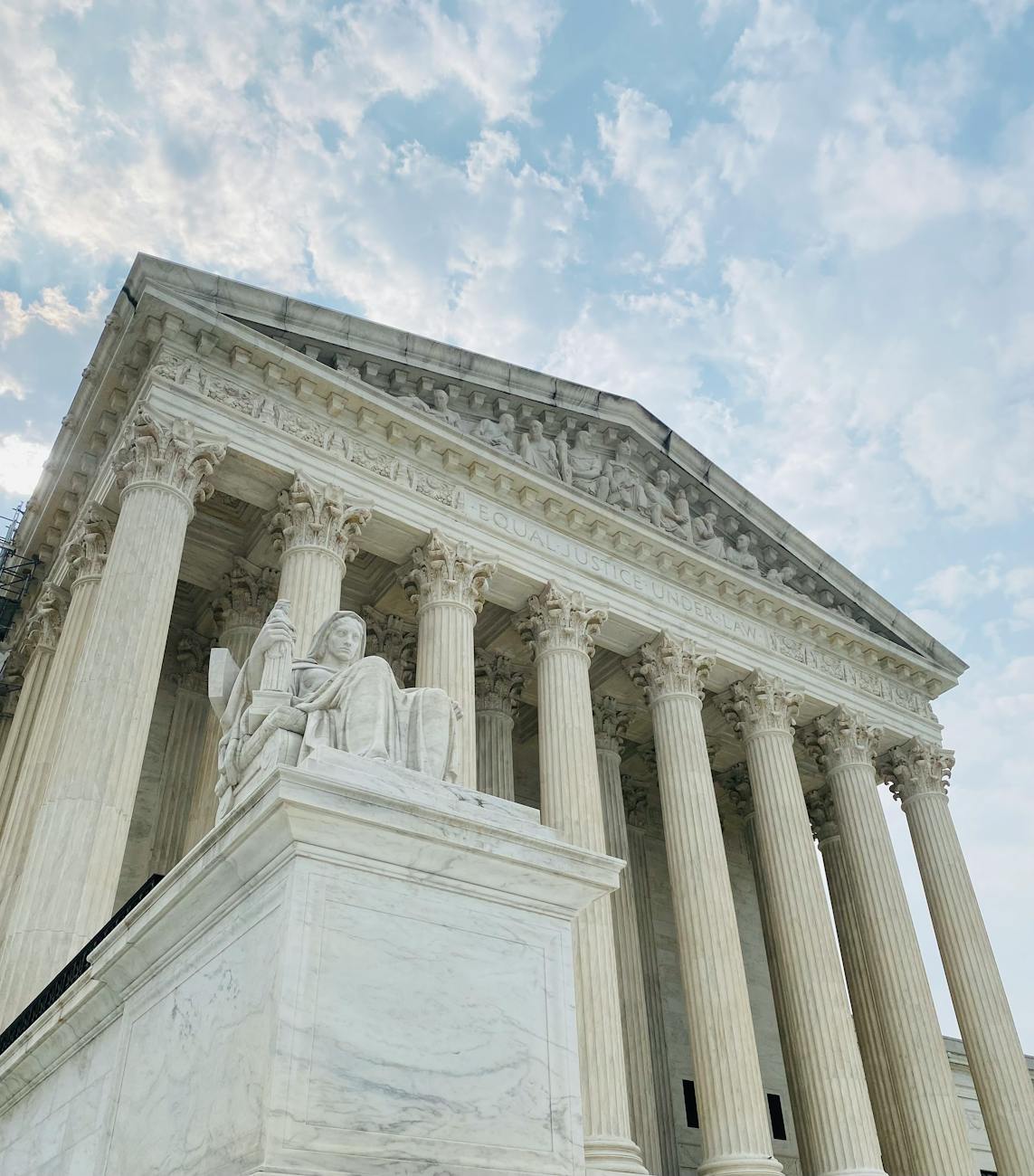
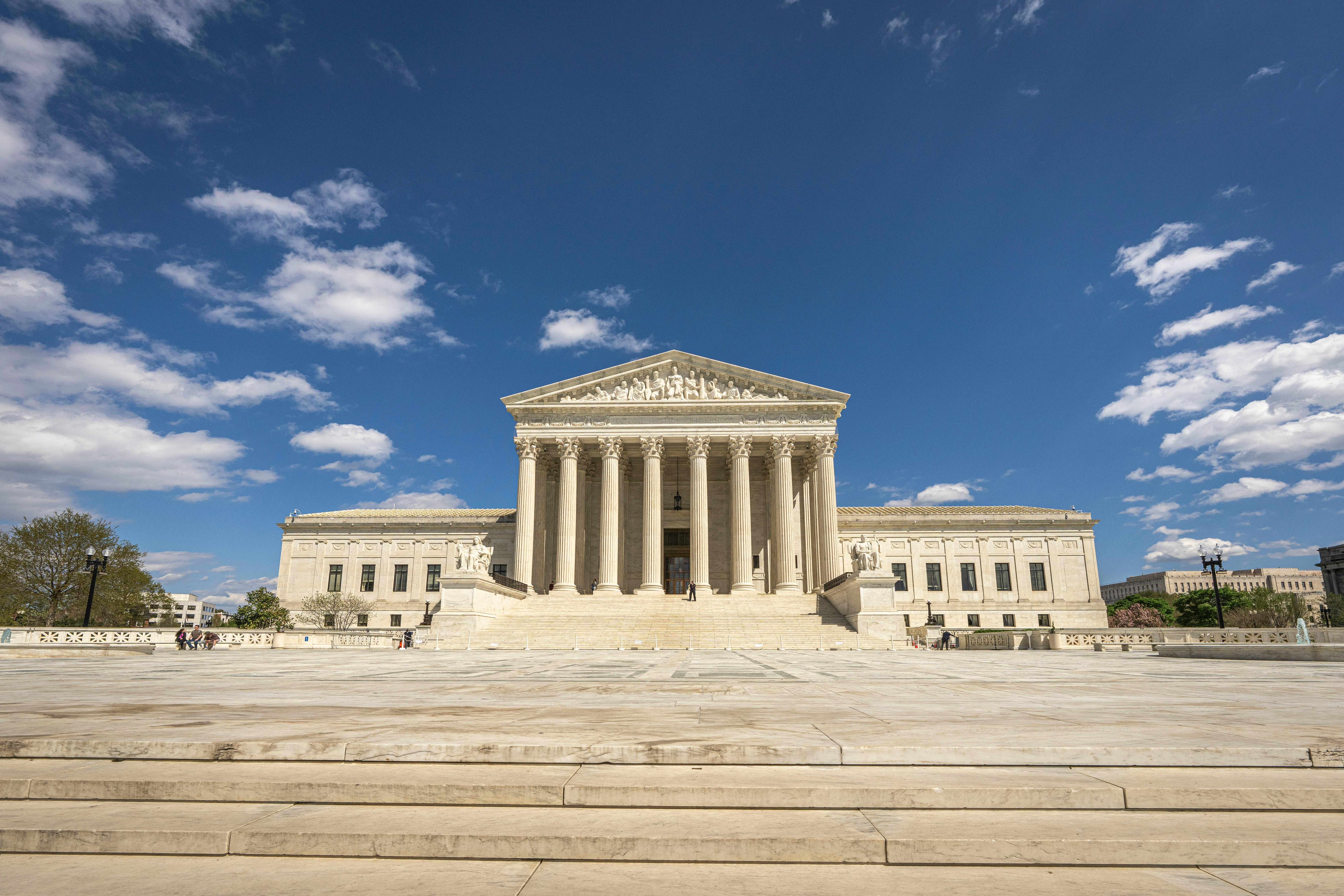
The US Supreme Court ruled 6-3 on April 29 that using race to draw election districts is unconstitutional under the Voting Rights Act, a decision that requires plaintiffs to prove discriminatory intent rather than merely discriminatory effects and that legal scholars say dismantles the final enforcement mechanism of the 1965 law.
The ruling in Louisiana v. Callais, written by Justice Samuel Alito and joined by the court’s five other conservative justices, holds that Section 2 of the Voting Rights Act cannot be used to challenge district maps on the basis of racial effect alone. The decision is the most significant weakening of the VRA since the court struck down the law’s preclearance formula in Shelby County v. Holder in 2013 and triggered an immediate scramble among Republican-controlled states to redraw congressional boundaries ahead of the November 2026 midterm elections.
“The point of our Constitution, and the Voting Rights Act, is that everyone is guaranteed an equal opportunity to vote,” said Hans von Spakovsky, a conservative lawyer and former Federal Election Commission appointee under President George W. Bush, in an interview with CBS News. “I think this is one of a series of, frankly, good decisions by the court.”
Democrats and civil rights groups condemned the ruling as a death blow to minority representation. Representative Jamie Raskin of Maryland, the ranking member of the House Judiciary Committee, said the decision “represents the complete collapse of the Roberts Court into partisan political activity.”
What the court changed
Before Callais, Section 2 of the VRA had been the primary legal tool for challenging election laws and district maps with racially discriminatory effects since the 1982 amendments to the Act established an effects-based test. Litigation under that provision had forced hundreds of local governments, including city councils, school boards and county commissions, to abandon at-large election systems that diluted minority voting power, according to the Brennan Center for Justice.
The Callais majority ruled that plaintiffs must now demonstrate lawmakers acted with discriminatory intent when drawing districts, a higher evidentiary bar than showing discriminatory outcomes. The liberal justices, in dissent, argued this standard makes it nearly impossible for plaintiffs to prevail. The ruling does not limit partisan gerrymandering; the court has previously held that political line-drawing is a question for state legislatures, not federal courts.
The unsigned order on May 4 gave the ruling immediate legal force, bypassing the standard 32-day waiting period for judgment finalization. Only Justice Ketanji Brown Jackson dissented from that order, writing that it “has spawned chaos in the State of Louisiana” and that granting immediate effect “is tantamount to an approval of Louisiana’s rush to pause the ongoing election.”
Alito, joined by Justices Clarence Thomas and Neil Gorsuch, wrote a concurrence dismissing Jackson’s criticisms as “baseless and insulting” and calling her accusation of partiality a “groundless and utterly irresponsible charge.”
The procedural sequence was unusual. The court issued its merits ruling on April 29. On May 4, the non-African-American challengers who brought the case asked the court to bypass the normal 32-day waiting period and give the ruling immediate effect. The court granted that request the same night. Black voters who had defended Louisiana’s two-majority-Black-district map then asked the court to reverse its order; the court refused that request on May 6 without explanation. At each step, the vote was 6-3.
States move within hours
Within hours of the April 29 ruling, Republican-controlled states began moving to redraw their congressional maps. Florida Governor Ron DeSantis signed a new map into law on May 4 that analyses project will create four additional Republican-leaning seats. Alabama and Tennessee called special legislative sessions to begin their own redistricting processes.
Louisiana, the state at the centre of the case, postponed its May 16 congressional primary after Governor Jeff Landry declared the now-invalidated map an emergency justifying delay. The state’s 2024 map had created two majority-Black districts, up from one in the previous cycle, after lower federal courts found the earlier single-district map likely violated Section 2. A new proposed map, expected to contain only one majority-Black district, was scheduled for a public hearing on May 9. State and federal lawsuits have already been filed challenging the primary postponement.
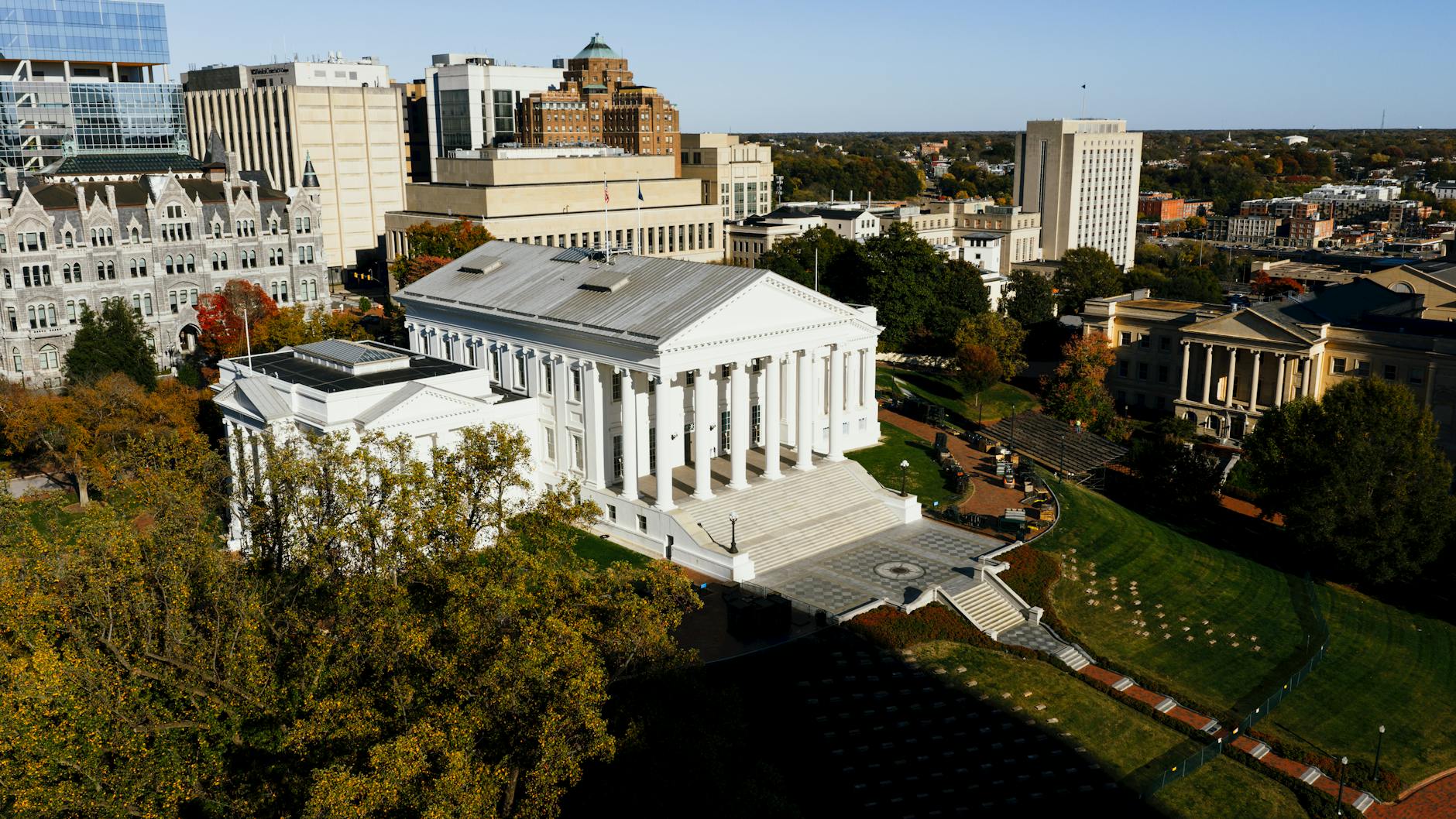
The Virginia Supreme Court separately struck down a map that would have benefited Democrats, citing the new federal precedent. State courts are now “embroiled in a new wave of battles over gerrymandering and voting rights,” according to the State Court Report. A Tennessee map signed by the governor that critics say will dilute Black voting power is also facing legal challenges, though the new federal standard sharply reduces their chances of success.
The numbers on representation
The statistical stakes are concentrated in the 148 majority-minority districts that now make up just over one third of the 435 House seats. Seventy-five per cent of all non-white representatives serve in those districts, including 74 per cent of Black members and 84 per cent of Hispanic members, according to a Brookings Institution analysis.
An NPR assessment cited by Brookings estimates at least 15 districts, all currently held by Democrats, could be redrawn to favour Republicans under the new legal standard. In the South, 35 of 40 representatives of colour were elected from majority-minority districts, and 83 per cent of them are Democrats.
The 119th Congress has 61 Black members, roughly proportional to the 14 per cent Black share of the US population. Hispanic representation lags further behind: 11 per cent of House members against 20 per cent of the population. The ruling is expected to widen that gap.
The number of Black representatives in Congress jumped from 25 to 38 between 1991 and 1993, a more than 50 per cent increase, after amendments to the VRA required the creation of new majority-minority districts. Advocates warn Callais threatens to reverse that trend.
“The real issue is whether or not a person who looks like me will have the opportunity to serve in Congress,” Representative Cleo Fields, a Louisiana Democrat whose district is directly affected by the ruling, told CBS News.
Hyper-local impact
The most significant effects of Callais may play out not in Congress but in the thousands of local elected bodies that Section 2 litigation reshaped over four decades. Hundreds of city councils, school boards and county commissions moved from at-large to district-based elections under Section 2 pressure, changes that the Brennan Center notes are now largely unreachable through federal litigation.
Since Shelby County in 2013, most discriminatory voting changes have come from county and municipal actions rather than major state laws. Without the threat of Section 2 lawsuits, those local bodies are free to draw district lines or switch to at-large voting without fear of federal pushback.
A sequence, not a one-off
Callais is the latest in a sequence of decisions narrowing the Voting Rights Act. The 2013 Shelby County decision struck down Section 5, which had required jurisdictions with histories of discrimination to obtain federal preclearance before changing voting laws. That provision had blocked thousands of potentially discriminatory policies.
Since Shelby County, voters in formerly covered jurisdictions have been purged from rolls at higher rates and turnout gaps between white and minority voters have widened. The Brennan Center documented that the Department of Justice’s voting rights enforcement capacity has been narrowed across successive rulings.
Martha Jones, a history professor at Johns Hopkins University, placed the moment in longer context. “To think of the Voting Rights Act as an act of Congress,” she told CBS News, “is to in essence erase the blood from the page,” referencing the Bloody Sunday violence in Selma, Alabama, on March 7, 1965, that galvanised passage of the law. The VRA was signed by President Lyndon Johnson nearly 61 years ago.
The midterm calendar
The 2026 midterm elections, now six months away, give the ruling immediate political weight. Republicans hold a narrow majority in the House. The Council on Foreign Relations assessed that Callais “may help Republicans defy expectations and retain control” of the chamber.
Because Black voters overwhelmingly support Democratic candidates, the strong correlation between race and partisanship means maps drawn without race as a consideration will produce predictable partisan effects. The court’s conservative majority has long held that partisan gerrymandering presents a political question outside federal judicial review, in contrast to its treatment of race-based districting, which the majority now says is unconstitutional.
“We have basically an open market where people compete with what their ideas should be,” von Spakovsky said of the redistricting environment after Callais.
The full structural impact is more likely to arrive after the 2030 census and the next round of decennial redistricting, when all 50 states will draw maps under the new, narrower Section 2 standard from the outset. Until then, mid-decade redraws in Louisiana, Florida, Alabama, Tennessee and other Republican-controlled states will be the first test cases for voting rights litigation after Callais.

Eli Donovan
Supreme Court and legal affairs correspondent covering the federal judiciary and constitutional law. Reports from Washington.