Fed warns rising risks even as financial system holds firm
The US Federal Reserve's May Financial Stability Report flagged geopolitical conflict, an oil supply shock and AI-related leverage as the top concerns of market contacts. The central bank said the financial system remains resilient, with banks well capitalised.
The US Federal Reserve said on May 8 that the country’s financial system remains resilient, but flagged a sharp rise in concerns over geopolitical conflict, an oil supply shock, and the leverage building behind the artificial intelligence investment boom.
The semi-annual Financial Stability Report, released by the central bank, said 75 per cent of market contacts surveyed cited geopolitical risks as their top near-term worry, the highest reading in recent editions of the survey. Seventy per cent named an oil price and supply shock tied to the ongoing war with Iran. Half of respondents flagged AI-related risks, and half pointed to private credit, both rising sharply from the November 2025 edition of the report.
On AI, the Fed said “recent advances in the ability of large language models and agentic AI systems to detect and exploit vulnerabilities have introduced new challenges”. Survey respondents told the central bank that AI investment is “increasingly funded” by debt, raising leverage and fragility across the broader system, Forbes contributor Mayra Rodriguez Valladares wrote in a review of the document. Respondents also pointed to a possible correction in risk assets driven by stretched AI-related valuations as one scenario worth monitoring.
The Fed described risks from private credit as “limited and manageable”, though respondents pointed to investor redemptions, worsening sentiment, and “AI-driven disruption affecting the credit quality of some borrowers” as channels through which stress could spread. Banks’ direct exposure to private credit funds remains small, the report said, and the central bank reported no evidence of acute stress in the segment.
Equity prices stayed near elevated levels relative to historical norms, the report said, and the survey identified a sharp correction tied to AI valuations as one of the scenarios worth tracking. US stocks have rallied through May on AI and earnings strength, with the S&P 500 and Nasdaq notching fresh record highs only days before the report landed.
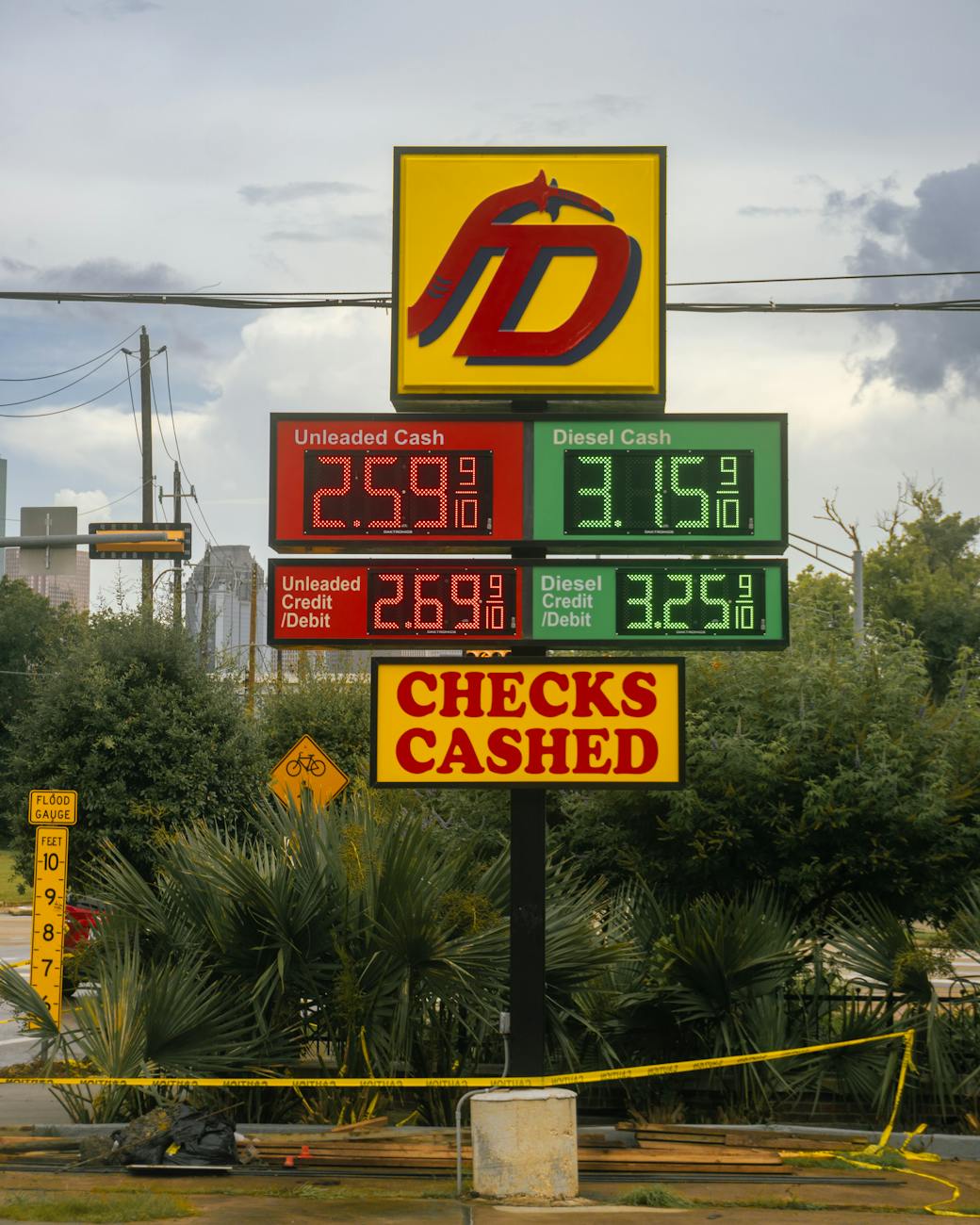
Outside markets, the Fed warned that a prolonged Middle East conflict, combined with commodity shortages and supply chain pressure, could push inflation higher and slow US economic growth. Consumer sentiment has already deteriorated this month, with gas prices eclipsing jobs data as the chief concern for US households.
The November 2025 edition of the report listed persistent inflation, geopolitical tensions, and a possible recession as the main risks cited by respondents. Six months on, the war with Iran and its impact on oil markets has lifted those concerns to the top of the list, while AI and private credit have moved into the front rank. According to coverage by the ABA Banking Journal, several respondents warned persistent inflation could force further interest rate increases even as growth weakens, a combination that would tighten financial conditions further.
Banks remain well capitalised and the broader financial system is resilient, the Fed said, with capital ratios above regulatory minimums and asset quality stable. Coverage by The National noted respondents expressed unusual unanimity on the centrality of the Iran conflict and its potential to cause prolonged supply disruption. The next Financial Stability Report is due in November.

Marcus Holloway
Markets editor covering UK gilts, sterling and the Bank of England. Previously a fixed-income strategist in the City.