US consumer sentiment hits record low as gas prices eclipse jobs data
The University of Michigan's consumer sentiment index fell to 48.2 in May, the lowest reading since the survey began in 1952, even as employers added nearly twice the number of jobs economists had expected in April.
US consumer sentiment fell to a record low in early May, the University of Michigan reported on Friday, as surging gasoline prices and stubborn inflation eclipsed a labour market that added far more jobs than economists had forecast.
The preliminary May reading of 48.2 was the lowest since the survey began in 1952, slipping from 49.8 in April and undershooting the consensus forecast of 49.8. The decline came on the same day the Bureau of Labor Statistics reported that employers added 115,000 positions in April, nearly double the 65,000 economists had expected, and the largest two-month gain since late 2024. The unemployment rate held at 4.3 per cent.
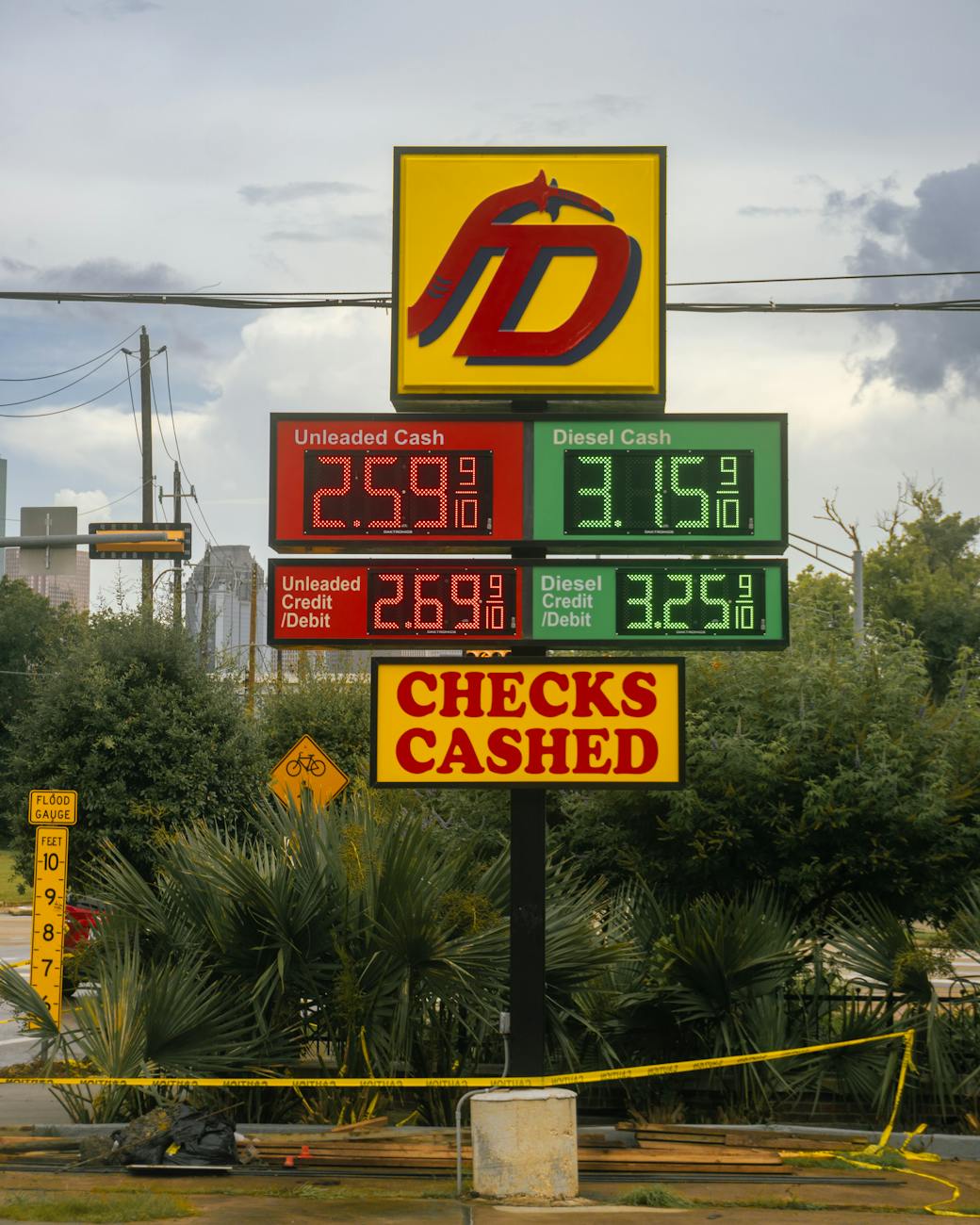
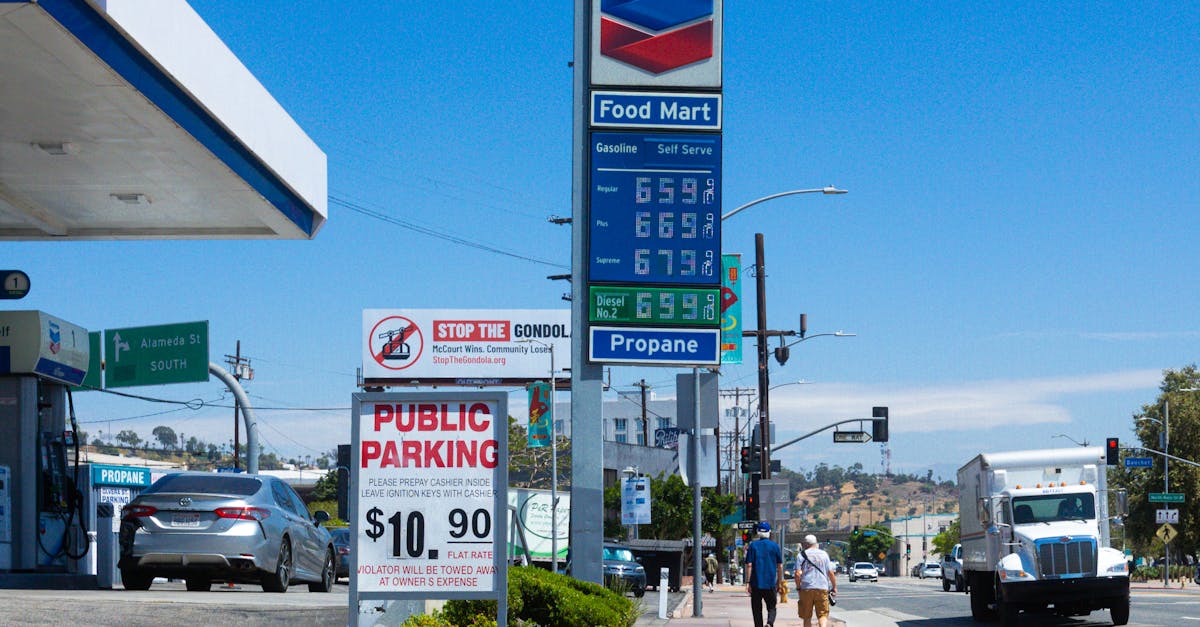
The two datasets describe an economy in which the labour market is holding steady but household budgets are being squeezed by fuel costs. The national average for a gallon of regular gasoline breached $4.50 this week for the first time since July 2022, according to AAA data, and has climbed more than 50 per cent since the start of the Iran war. The US naval blockade of Iranian ports has disrupted crude tanker movements through the Strait of Hormuz, pushing energy prices higher.
Joanne Hsu, director of the university’s Surveys of Consumers, said roughly one-third of respondents spontaneously cited gasoline prices and tariffs as their primary concerns. “Consumers continue to feel buffeted by cost pressures, led by soaring prices at the pump,” Hsu said. Real income expectations continued to decline, she added, and households’ assessments of their own finances fell to their worst level since 2009.
The survey’s one-year-ahead inflation expectations ticked down to 4.5 per cent, from 4.6 per cent in April, while the five-to-ten-year outlook stood at 3.4 per cent. Both are well above the Federal Reserve’s 2 per cent target and support the case for holding interest rates at current levels.
The jobs picture
April’s payroll gains give Fed policymakers room to keep rates on hold. Fed Chair Jerome Powell said last week that the job market had shown “more signs of stability” and there was no urgency to adjust policy. Governor Adriana Kugler separately signalled a dovish tilt, advocating for rate cuts and warning against internal “loyalty divides” at the central bank.
Other indicators in the report were weaker. The broad measure of unemployment, which includes workers marginally attached to the labour force and those working part-time for economic reasons, rose to 8.2 per cent from 7.9 per cent in March. Wage growth slowed to 3.6 per cent year-on-year, meaning pay packets are falling behind the 4.5 per cent annual rate at which consumers expect prices to rise. Labour force participation also declined.
What economists are watching
Mark Zandi, chief economist at Moody’s Analytics, said the record-low sentiment reading “makes the case that people are feeling pretty uncomfortable with what’s going on” and described the April and May results as “affecting the collective psyche” of American households.
Oliver Allen, senior economist at Pantheon Macroeconomics, warned that “the recent resilience in consumers’ spending probably is on borrowed time.” A temporary lift from strong tax refunds, he wrote, was obscuring a “looming drag from the hit to real incomes due to higher gas prices” and he expected spending to drop substantially in May and June.
Consumer spending accounts for roughly two-thirds of US economic output. Any sustained pullback would weigh on growth at a moment when the Federal Reserve, now in Jerome Powell’s final week as chair before the Senate votes on his successor Kevin Warsh, has signalled it is in no hurry to lower borrowing costs.
Equity markets were unmoved by the consumer data. The S&P 500 rose 0.76 per cent to 7,392.56 on Friday. The Nasdaq Composite added 1.71 per cent to a record 26,247.08, driven by a rally in artificial-intelligence chipmakers. The Dow Jones Industrial Average rose 0.02 per cent to 49,609.16.
For consumers, the near-term outlook depends on whether the three-day ceasefire in Ukraine announced by President Donald Trump on Friday holds and whether any easing of geopolitical tension feeds through to energy markets. Hsu said developments in the Middle East were “unlikely to meaningfully boost sentiment until supply disruptions have been fully resolved and energy prices fall.”

Marcus Holloway
Markets editor covering UK gilts, sterling and the Bank of England. Previously a fixed-income strategist in the City.