Fed inflation tracker warns prices accelerating as Iran war fuel shock persists
Cleveland Fed nowcast shows headline PCE at 3.73 per cent in April and a Q2 pace above 5 per cent, narrowing the path to any 2026 rate cut. Goolsbee says cuts may slip to 2027.
The Federal Reserve Bank of Cleveland’s inflation nowcasting model showed headline PCE rising to 3.73 per cent in April and an estimated 3.93 per cent in May, with second-quarter prices tracking above a 5 per cent annualised pace, deepening doubts that the central bank can deliver any rate cuts in 2026.
The model, run by the Cleveland Fed’s research staff, draws on weekly oil, commodity and consumer-price data to project the PCE deflator before the Bureau of Economic Analysis publishes its monthly release. Its April reading sits well above the 3.5 per cent year-over-year headline rate published for March, and the gap is widening. The Iran war, which began in early March and has dragged into a third month, continues to push fuel and shipping costs through the rest of the economy.
Austan Goolsbee, president of the Federal Reserve Bank of Chicago, said in early April that the conflict had reshaped his rate-cut expectations. “Before the war, before we got the oil shock, I’ve been on the optimistic side of the rate. I believed rates could come down even multiple times in 2026,” Goolsbee said in a CBS News interview. “If we’re truly not going to see any improvement in inflation, to me that starts pushing these decisions off to 2027 at the earliest.”
The Federal Open Market Committee held its target range at 3.5 to 3.75 per cent at its March meeting and again on April 29, after Brent crude jumped above $80 a barrel in the days following the first US strikes on Iranian targets. The committee’s March projections penciled in 2.7 per cent headline and core PCE for the full year, a forecast that now reads as too soft against the Cleveland model. Money markets are running out of reasons to expect any easing this cycle.
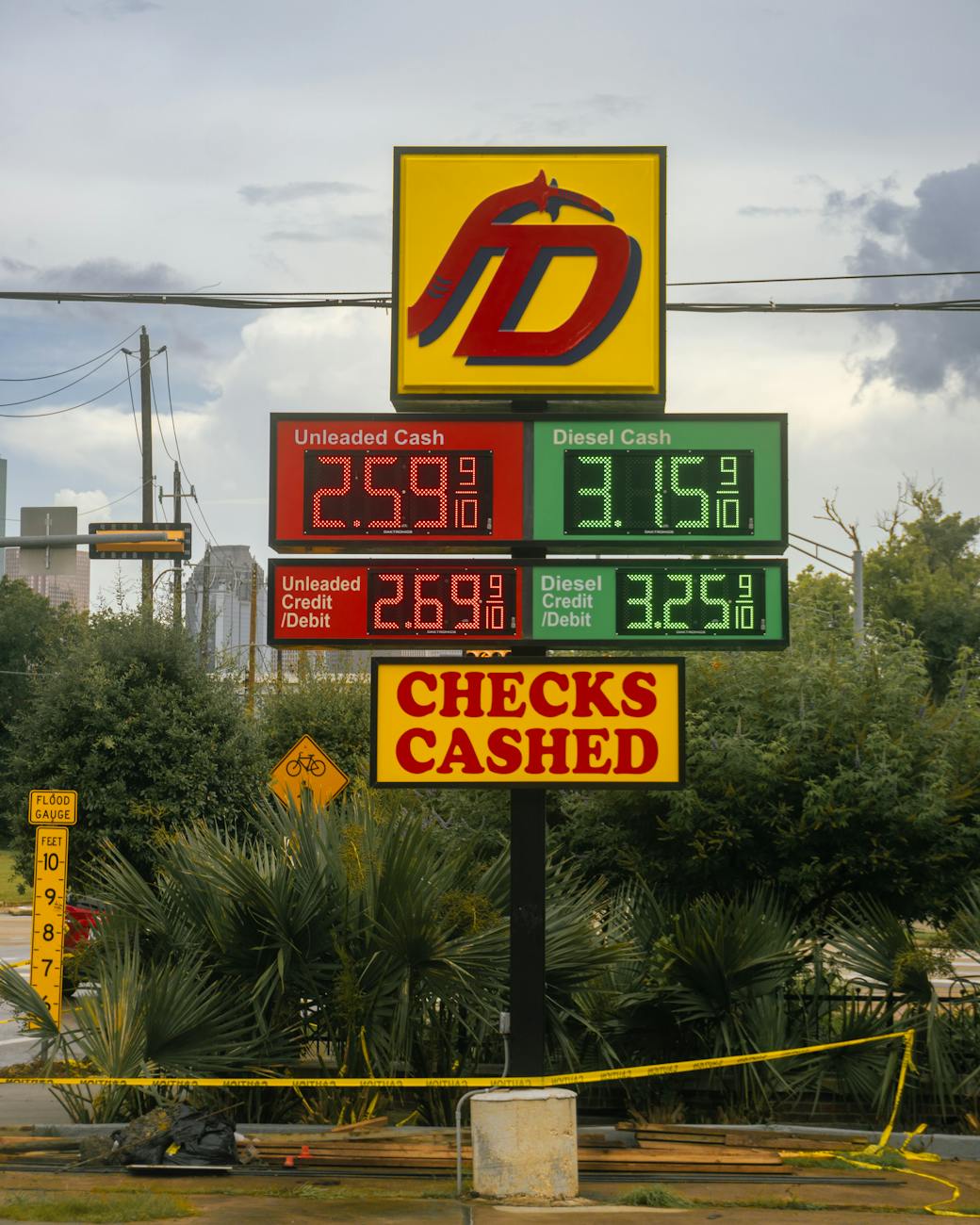
US average regular gasoline reached $4.09 a gallon on April 3, more than a dollar above its level on the eve of the war, according to AAA data cited by CBS News. Headline PCE rose 0.7 per cent in March and core PCE rose 0.3 per cent, the strongest monthly readings since 2024. The Cleveland model now puts April core PCE at 3.28 per cent and May at 3.32 per cent. Second-quarter core inflation is on a 3.46 per cent annualised pace.
Federal Reserve Chair Jerome Powell told reporters after the March decision that the committee would not pre-commit to any path. “The thing I really want to emphasize is, nobody knows. The economic effects could be bigger, they could be smaller, they could be much smaller, they could be much bigger. We just don’t know,” Powell said.
What the labour market shows
The labour market has begun to soften alongside the price data. Nonfarm payrolls added 115,000 jobs in April, the slowest pace this year, and the unemployment rate edged up to 4.3 per cent. Joanne Hsu, who runs the University of Michigan’s Surveys of Consumers, said household income is the cushion holding spending up. “Strength in household incomes has been the primary source of support for robust consumer spending,” Hsu said. She added that softening in labour market expectations was “concerning and may lead to a pullback.”
The Cleveland Fed’s nowcast is one of several real-time inflation gauges Wall Street watches when official data is delayed. Its readings have run roughly half a percentage point above eventual official prints during prior energy shocks, so the 3.73 per cent April estimate is consistent with an actual headline figure between 3.2 and 3.8 per cent when the Bureau of Economic Analysis releases its April PCE report on May 30.
What markets are pricing
CME FedWatch contracts on Friday assigned near-zero probability to a rate cut at the June 16 to 17 FOMC meeting and only a 12 per cent probability to a single cut by year-end. A late-April Reuters poll of economists found nearly a third of respondents expecting no cuts in 2026, almost double the share in the previous survey.
The May employment report on June 6 and the May CPI release on June 11 will frame the FOMC’s June meeting. Goolsbee, whose term as Chicago Fed president runs through 2028, has signalled he sees no scope to cut while inflation accelerates.
President Donald Trump has nominated former Fed governor Kevin Warsh to replace Powell when Powell’s term as chair expires in mid-May. The transition adds uncertainty over the central bank’s reaction function should price pressures persist into the summer.
What happens next
A ceasefire in the Gulf would be the fastest path to lower nowcast readings, since fuel costs are the largest swing factor in the Cleveland model. Absent that, the central bank’s room to cut is shrinking week by week. The next FOMC decision lands on June 17.

Marcus Holloway
Markets editor covering UK gilts, sterling and the Bank of England. Previously a fixed-income strategist in the City.