UK under-16 social media curbs pledged by end of 2026
The UK government has promised new under-16 social media restrictions by the end of 2026 after an 80,000-submission child-safety consultation closed.
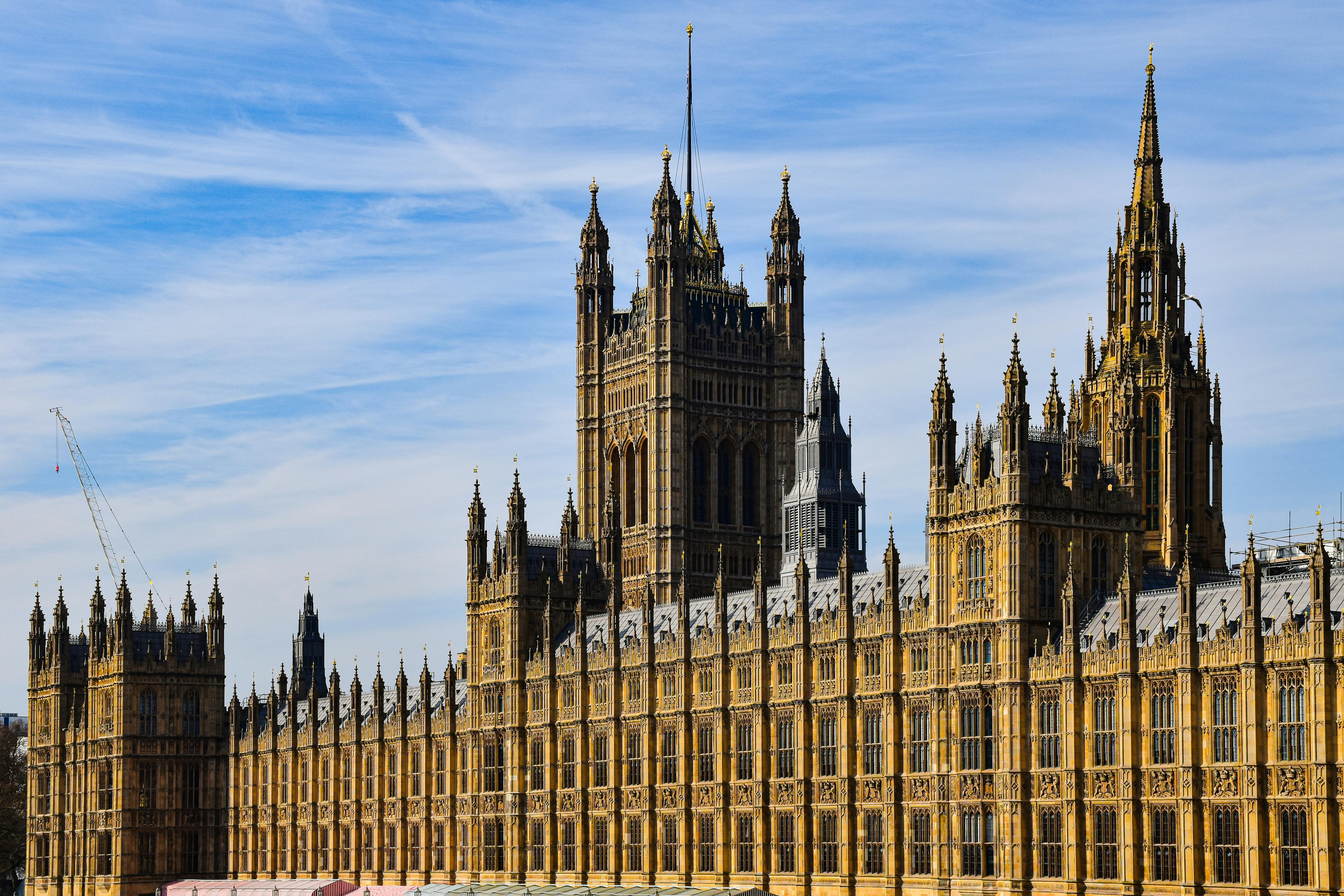
The UK government closed its child-safety consultation on Monday with more than 80,000 submissions — and Prime Minister Sir Keir Starmer emerged from a meeting with bereaved families promising “decisive” action to restrict children’s access to social media.
Technology Secretary Liz Kendall said new curbs on under-16s’ use of platforms would be in force before the end of the year. The three-month exercise, launched in March, drew responses from 42,410 parents and 13,890 young people, making it one of the largest public engagements on online safety since the Online Safety Act passed in 2023.
“The question isn’t whether we’re going to act — we will, whether that is a ban on social media for the under-16s or restrictions on key features and functions,” Kendall told reporters at a Westminster briefing.
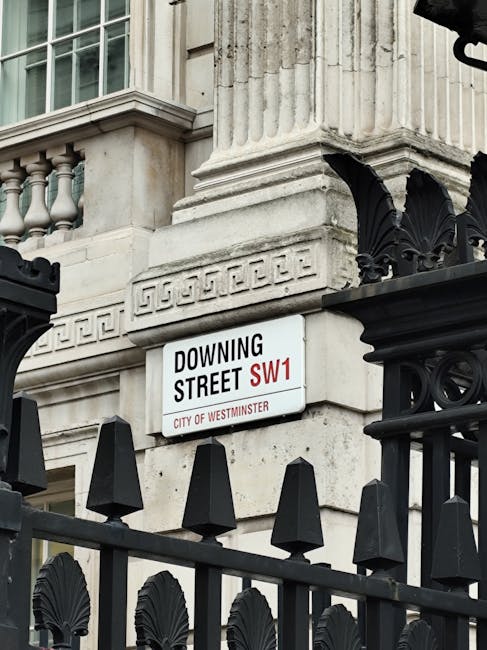
Starmer’s Downing Street meeting took place hours before the consultation closed, according to BBC News. It included parents whose children died after exposure to harmful content online. The families have kept up a sustained pressure campaign since Labour took office in 2024.
It is important that we act and will act. I can absolutely assure you of that.
— Sir Keir Starmer
What the government is considering
No single model has been settled on. Officials are weighing an outright under-16 ban, of the kind Australia introduced in December 2025, against narrower curbs on algorithmic feeds, infinite scroll and push notifications — the design features researchers link most strongly to compulsive use among adolescents. A third path would require platforms to obtain verified parental consent before under-16s can create accounts, following the French system introduced in 2023.
Kendall’s department plans to publish a formal response within weeks, followed by a white paper setting out legislative options.
Wes Streeting, who served as health secretary until his recent resignation from cabinet, weighed in separately with a sharper diagnosis. Social media, he said, should be treated as a public-health threat on the scale of smoking.
Social media should be treated like tobacco. It’s extremely addictive, bad for our health, and big tech is borrowing the big tobacco playbook to avoid regulation.
— Wes Streeting
Doctors have backed the comparison. A survey of 132 physicians by the Academy of Medical Royal Colleges found that more than half saw at least one case of tech-related health harm every week. The college wants a compulsory levy on social-media firms to fund independent research into platform effects on children. The Royal College of Psychiatrists, in a separate submission, urged ministers to treat algorithmic content ranking as a product-safety issue. Platforms, it argued, design for engagement in ways that measurably worsen anxiety and depression among teenage users.
How Britain fits a wider shift
The UK is not acting alone. Australia’s under-16 ban forced platforms to deactivate 4.7 million accounts in its first two days and has since become a reference point for legislators elsewhere. France has required parental consent for under-15 sign-ups since 2023. Several US states — including Utah, Arkansas and Texas — have passed their own age-verification laws, though some face court challenges on free-speech grounds. The European Commission is consulting on a Digital Fairness Act that would extend existing platform rules to cover addictive design features.
Britain’s timetable is among the tightest. Labour officials told The Guardian that a formal announcement is expected within weeks. Ministers want the regulatory framework in statute by the autumn, with enforcement beginning before the end of 2026. That pace would put Britain alongside Australia as one of the fastest-moving large economies on the issue.
Political pressure inside Westminster sharpened as the consultation closed. More than 50 MPs from the three largest parties have signed a cross-party motion backing mandatory age verification. Dame Rachel de Souza, the children’s commissioner for England, said last week that the window for legislative action was closing fast. Opposition MPs have signalled support for fast-tracked legislation, cutting the risk of a drawn-out parliamentary fight.
No major platform has yet publicly opposed the principle of under-16 restrictions. Industry lobbyists warn that age-verification infrastructure will be costly and that poorly designed rules could push children toward unregulated corners of the internet. Meta and TikTok have separately indicated they would comply with any legislation, while urging ministers to adopt platform-level age checks rather than requiring users to submit government ID. Both companies face regulatory pressure in Brussels and Canberra, narrowing their room to resist.
Dana Whitfield
Senior reporter covering UK politics, national security and community affairs.