Pope Leo AI encyclical pushes governance fight
Pope Leo AI encyclical Magnifica Humanitas turns artificial intelligence into a governance, labor and security test for policymakers.
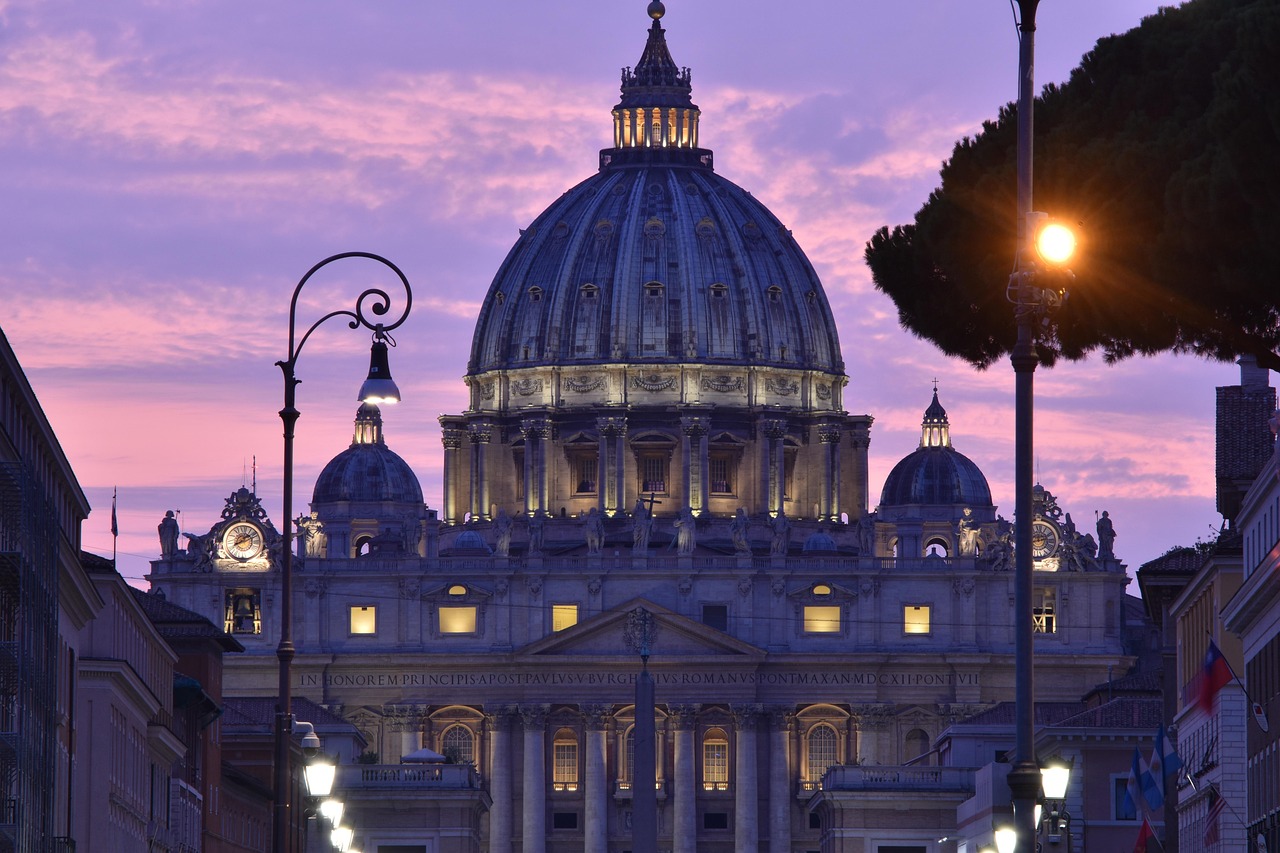
Pope Leo XIV put the Catholic Church’s highest teaching form into the AI race on Monday, releasing a 42,300-word encyclical that tells governments and technology companies to slow deployment before machines reshape work, war and public life faster than politics can answer.
Magnifica Humanitas is not a product review or a technical standard. It is a governance intervention. Leo signed it on May 15 and released it on May 25, then used the first encyclical of his papacy to argue that artificial intelligence should be judged by whether it protects human dignity, not by whether it expands capability.
The framing puts the Vatican in a crowded but consequential part of the AI debate. Regulators have struggled to keep pace with frontier models. Companies have treated safety as both a research problem and a branding exercise. Workers and voters have been asked to absorb the consequences. Into that gap, Leo offers moral authority for a slower, more public version of AI policy.
There is also a dispute the Church cannot control. Christopher Olah, an Anthropic co-founder, appeared at the Vatican presentation, a visible sign that at least some of Silicon Valley wants a seat in the room. Critics cited by The Guardian have warned that such alliances risk turning Church concern into what they called “Vatican-washing” for companies still racing to build more powerful systems.
Why an encyclical matters
An encyclical is meant to last longer than a conference speech. Leo’s choice of form matters for that reason. Vatican News framed Magnifica Humanitas as a document that links AI to the Church’s social teaching tradition, 135 years after Rerum novarum addressed industrial labor and capital.

History carries part of the argument. Leo is not treating AI as a narrow question of chatbots, copyright or hallucinated answers. He is placing it in the same moral category as earlier technologies that changed bargaining power between owners, workers and states.
Reuters reported that Leo used the text to call for more direct public oversight of fast-moving AI systems. One sentence is likely to travel furthest.
“What is needed is a more active political involvement that is capable of slowing things down when everything is accelerating.”
Pope Leo XIV, quoted by Reuters
Most governments have not spoken about AI that way. Their dominant policy language has favored guardrails, sandboxes and voluntary commitments, words that imply speed can continue if risk is managed at the edges. Leo’s verb is different. Slow down. It gives policymakers a moral vocabulary for delay, not just mitigation.
Labor, weapons and power
The encyclical widens the field. AI is often debated as a problem of misinformation, bias or consumer safety. Leo’s document treats those as pieces of a larger question: who gains power when automated systems make decisions at scale.
Labor is the argument closest to the Church’s older social teaching. Workers do not need to be replaced outright for their bargaining power to weaken. Hiring filters, performance systems, scheduling tools and generative software can change pay, supervision and promotion long before a job disappears. That is why the user-affected perspective matters. The question is not only which jobs are exposed. It is whether workers have a say before their terms of work are rewritten by software.
War makes the warning sharper. Leo’s warning about autonomous weapons moves the debate from workplace disruption to the state’s monopoly on force. If targeting, surveillance or escalation decisions are partly delegated to systems trained and tuned outside democratic scrutiny, the moral issue is not only technical accuracy. It is control.
“To disarm does not mean rejecting technology, but preventing it from dominating humanity.”
Pope Leo XIV, Magnifica Humanitas
That line gives the document a longer policy shelf life than a standard papal warning about modernity. “Disarm” connects AI safety to weapons, extractive infrastructure and power concentration. It also avoids a simple anti-technology posture. The Vatican is not asking states to abandon AI. It is asking who sets the limit.
The Silicon Valley problem
Olah’s place at the presentation gave the launch a sharper edge. Anthropic has built its public identity around AI safety, and his presence signaled that the Church wanted to talk not only about users and governments, but also to the engineers building frontier systems.
His warning, reported by Reuters, cut against the idea that benevolent lab culture is enough.
“Every frontier AI lab, including Anthropic, operates inside a set of incentives and constraints that can sometimes conflict with doing the right thing,”
Christopher Olah, quoted by Reuters
The reception turns on that tension. If safety-minded executives agree with Leo, they also raise the harder question of why the companies they help run cannot slow down on their own. Market incentives reward model capability, enterprise adoption and investor confidence. The moral demand to pause or limit deployment sits uneasily against that structure.
The New York Times DealBook analysis described Magnifica Humanitas as a Vatican warning aimed squarely at Big Tech’s lock on AI. That is the right target, but it is also the encyclical’s central weakness. Moral language can pressure a boardroom. It cannot by itself change a funding market in which speed is treated as survival.

A policy language governments can borrow
Its most immediate effect may be rhetorical. JD Vance called the pope’s warning “profound,” according to The Hill, showing how quickly the encyclical moved beyond Catholic institutions and into political debate.
Governments may still resist Leo’s agenda. The United States remains divided between AI acceleration, national-security competition and labor anxiety. Europe has a more mature regulatory architecture but still faces pressure from companies that say strict rules will weaken competitiveness. China’s AI system sits inside a different political model entirely.
For policymakers, the encyclical links issues that often sit in separate committees: workplace automation, data extraction, energy demand, water use, autonomous weapons and platform concentration. That synthesis is the point. Leo is not offering bill text. He is offering a frame.
Safety language inside AI companies also looks thinner in this context. If artificial intelligence affects wages, war and public reasoning, then governance cannot be left to model cards, voluntary pledges or corporate red-team reports. Those tools may matter. They are not a substitute for political judgment.
What changes now
Less than the Vatican hopes, but more than Silicon Valley might prefer. An encyclical will not slow a model release calendar next week. It will not settle arguments over open-source systems, copyright or military procurement. It will not make rival governments trust one another.
It can raise the reputational cost of treating AI as an engineering race with policy attached afterward. Leo’s first major teaching document says the order should be reversed: public purpose first, technical deployment second.
Magnifica Humanitas matters even for readers with no theological stake in the papacy because it turns AI into a labor story, a security story and a governance story at the same time. It asks whether societies are willing to slow a technology that rewards acceleration.
For now, the answer is still being shaped mostly by companies and states with direct incentives to move quickly. Leo has given the other side a sharper sentence. Whether it becomes policy will depend on governments that have so far preferred to regulate speed without truly challenging it.

Kai Mendel
Technology editor covering fintech, AI and the platform economy. Reports from San Francisco.