Harvey Weinstein mistrial prolongs third New York rape case
Harvey Weinstein mistrial leaves prosecutors weighing next steps after a third New York jury deadlocked in the rape case, extending the #MeToo prosecution.
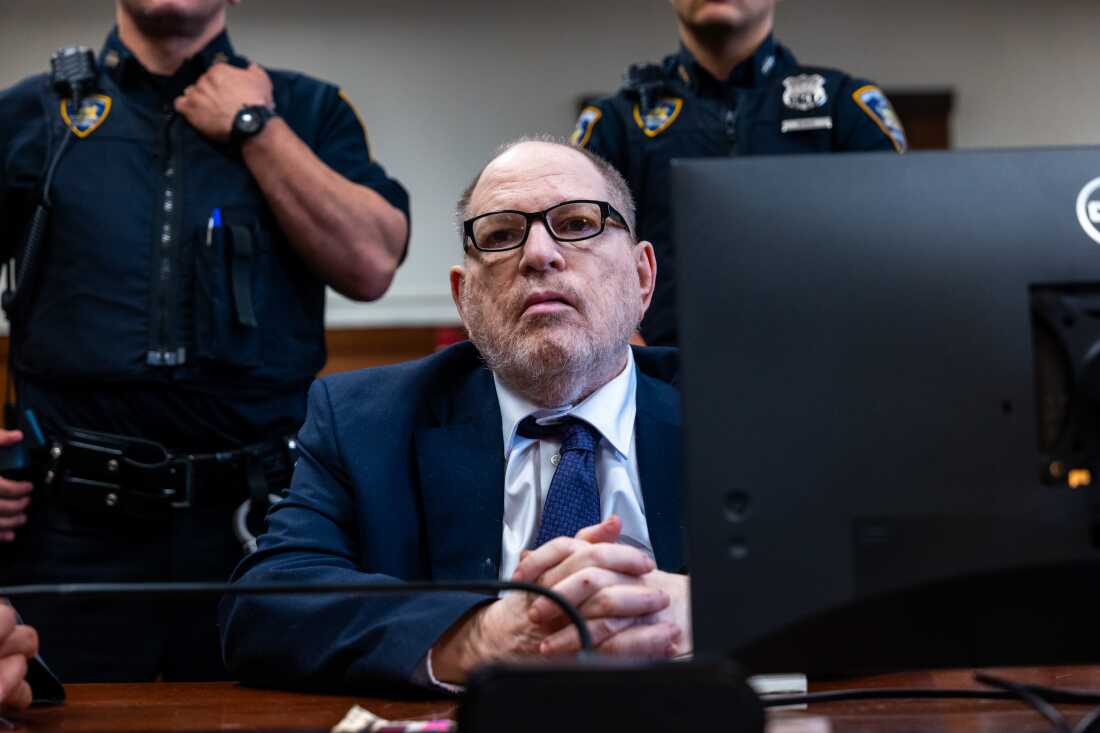
A New York judge declared a mistrial in Harvey Weinstein’s third New York rape trial after jurors said they could not agree on the rape charge involving Jessica Mann, leaving a defining #MeToo prosecution without a final New York resolution.
The ruling denied prosecutors a final verdict against Weinstein, 74, and left Manhattan District Attorney Alvin Bragg’s office to decide whether to try the charge again. The case has now gone before three New York juries, moved through years of appeals and sits alongside a separate California sentence that keeps Weinstein in custody.
Jurors deliberated for more than two days before Manhattan Supreme Court Judge Curtis Farber concluded that the panel could not reach a verdict on the Mann count, according to Reuters. Farber said the jury was stuck.
“hopelessly deadlocked”
Curtis Farber, Manhattan Supreme Court judge, via Reuters
The mistrial ends this New York proceeding without resolving Mann’s allegation. It does not change Weinstein’s wider legal position: he is serving a 16-year sentence in California and remains the best-known defendant prosecuted after the 2017 wave of sexual misconduct allegations against powerful men.
Mann, whose testimony has been central to the New York case, said after the deadlock that she wanted prosecutors to continue. Her statement put the next decision back on Bragg’s office and on whether prosecutors believe another jury could reach a result.
“I deserve justice.”
Jessica Mann, via Reuters
Bragg’s office did not immediately say whether it would seek a fourth trial on the charge. In a statement cited by NPR’s account of the mistrial, the district attorney said prosecutors would speak with Mann before deciding how to proceed.
“We will consider our next steps in consultation with Ms. Mann.”
Alvin Bragg, Manhattan district attorney, via Reuters
The deadlock leaves testimony on the public record but no final New York answer on the Mann charge. Prosecutors now have to decide whether that gap can be closed at a fourth trial. The questions are practical as much as legal: witness availability, juror response, evidentiary limits and whether another panel can be persuaded beyond a reasonable doubt.
What prosecutors weigh next
The decision for prosecutors is narrower than the profile of the case. They must weigh Mann’s wishes, the record already tested before multiple panels and the cost of returning to court after another hung jury. The immediate issue is whether a new trial is likely to produce a unanimous verdict where the last panel could not.
For Weinstein’s defense, the deadlock supports the argument that jurors remain divided after years of litigation and public attention. For prosecutors, the case remains an attempt to use courtroom rules to hold a once-powerful Hollywood producer criminally accountable, separate from the public reckoning that made his name shorthand for #MeToo.
Another trial would also ask Mann to testify again in a case that has already brought repeated public scrutiny. Bragg’s statement indicated that her view will matter, but it did not set a timetable or commit the office to another jury presentation.
The New York case has carried unusual weight because it links criminal law with a cultural shift that began outside the courts. Weinstein’s downfall helped accelerate that shift, but the retrials have shown the slower pace of criminal proceedings, where testimony, jury instructions and unanimity decide the outcome.
That is why the mistrial matters beyond one procedural ruling. It extends a prosecution that has already outlasted its original verdict and keeps Mann, Bragg’s office and Weinstein’s lawyers tied to a case that remains closely watched even as the first wave of #MeToo prosecutions recedes from daily headlines.
The next step belongs to prosecutors. Until Bragg’s office makes that decision, Weinstein’s New York rape case remains open in practice, while his California sentence means the mistrial does not change his immediate custody status.

Eli Donovan
Supreme Court and legal affairs correspondent covering the federal judiciary and constitutional law. Reports from Washington.