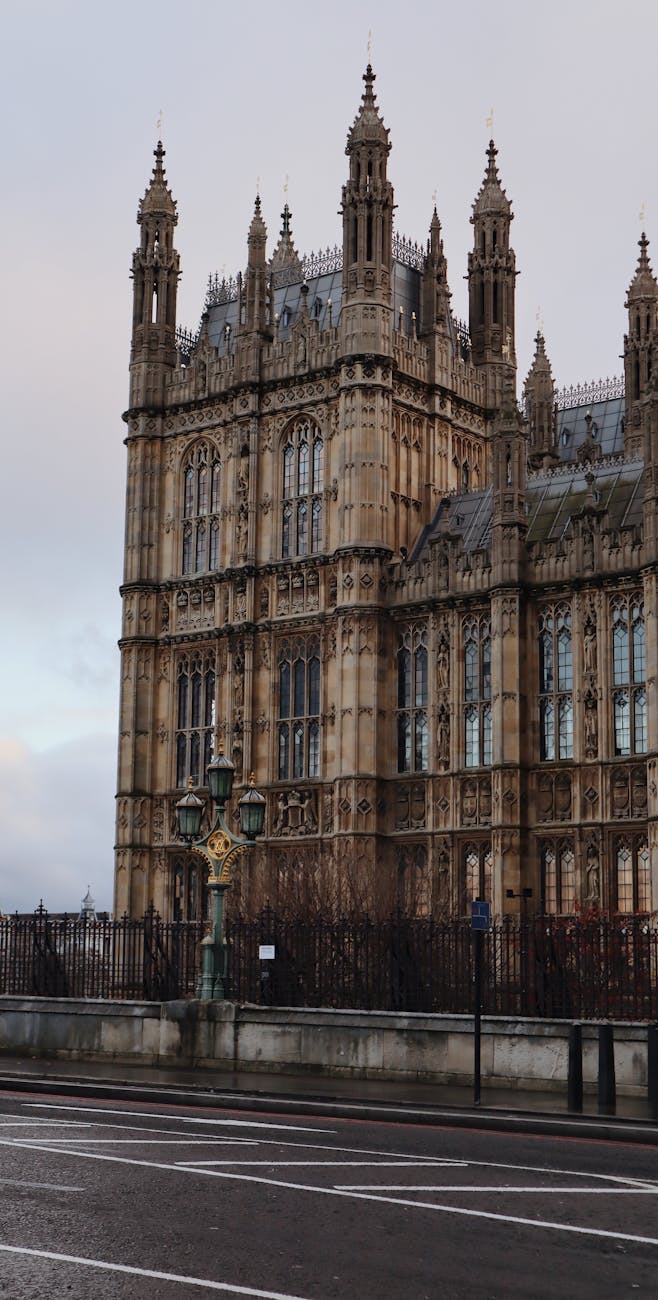
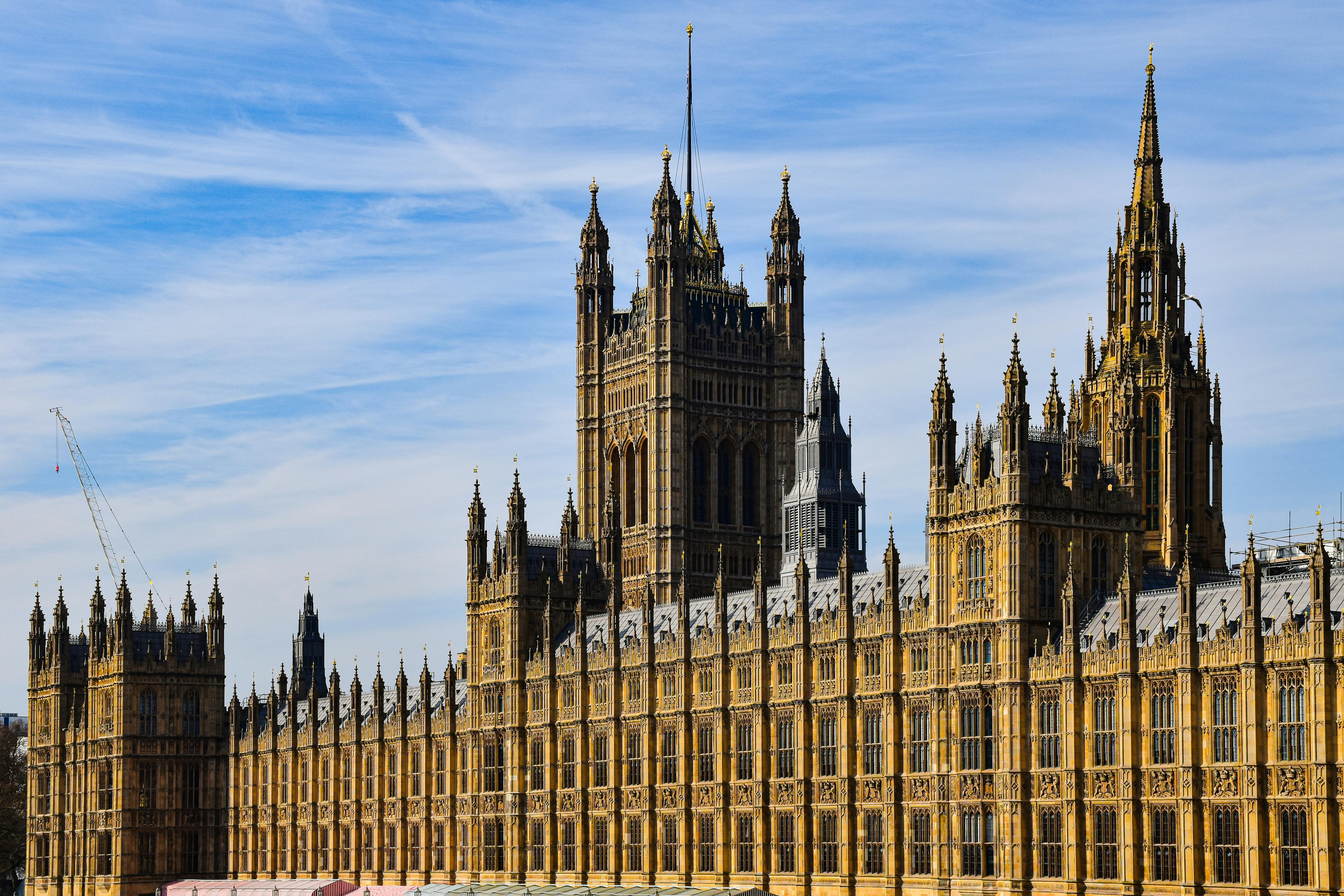
Starmer fights for political survival as two ministers quit
Prime Minister Keir Starmer is battling to hold his government together after two senior ministers and four aides resigned, with more than 80 Labour MPs demanding he set a timetable for his departure.
British Prime Minister Keir Starmer was battling to hold his government together on Monday after two senior ministers and four junior parliamentary aides resigned, and more than 80 Labour MPs demanded he set a timetable for his departure.
The walkouts — led by Housing, Communities and Local Government minister Miatta Fahnbulleh and Safeguarding minister Jess Phillips — followed devastating local election results in which Labour lost roughly 1,500 council seats and collapsed to just 17 of 129 seats in the Scottish Parliament, its worst showing north of the border since devolution.
Phillips, a prominent voice on Labour’s left who had publicly clashed with Starmer over welfare policy and immigration, said in her resignation letter that “deeds, not words are what matter” and accused the prime minister of failing to govern with “the gusto that’s needed.”
Her departure landed hours before a tense cabinet meeting at which Starmer confronted a split top table. Justice Secretary Shabana Mahmood joined the call for Starmer to set out a timeline for stepping down, according to the BBC, making her the most senior government figure to break ranks publicly.
Tom Rutland, the parliamentary private secretary to the Environment Secretary, was more direct in his own resignation later that day. “It is clear to me that the prime minister has lost authority not just within the Parliamentary Labour Party but across the country and that he will not be able to regain it,” he wrote.
Three other ministerial aides — attached to the transport, education and culture departments — resigned in quick succession, bringing the total number of departures from the government payroll to six within 36 hours. None named a preferred successor, but the coordinated timing signalled an organised effort to force Starmer’s hand before the parliamentary term enters its summer stretch.
Starmer, who won a commanding 172-seat majority in July 2024 on a promise to restore competence after years of Conservative turmoil, has seen his approval ratings slide into negative territory. Labour now trails the Conservatives by an average of four percentage points across three national polls conducted this spring, a reversal from the 11-point lead the party held as recently as January.
The local election drubbing on 1 May — Labour’s worst set of council results in opposition or in government since 1996 — transformed murmurs of discontent into an open revolt. Councils Labour had held for a generation, including control of the Birmingham and Leeds city councils, flipped to no overall control or to the Conservatives. In Scotland, the party’s collapse to fourth place behind the SNP, Conservatives and Reform UK reordered a political landscape Starmer had promised to dominate.
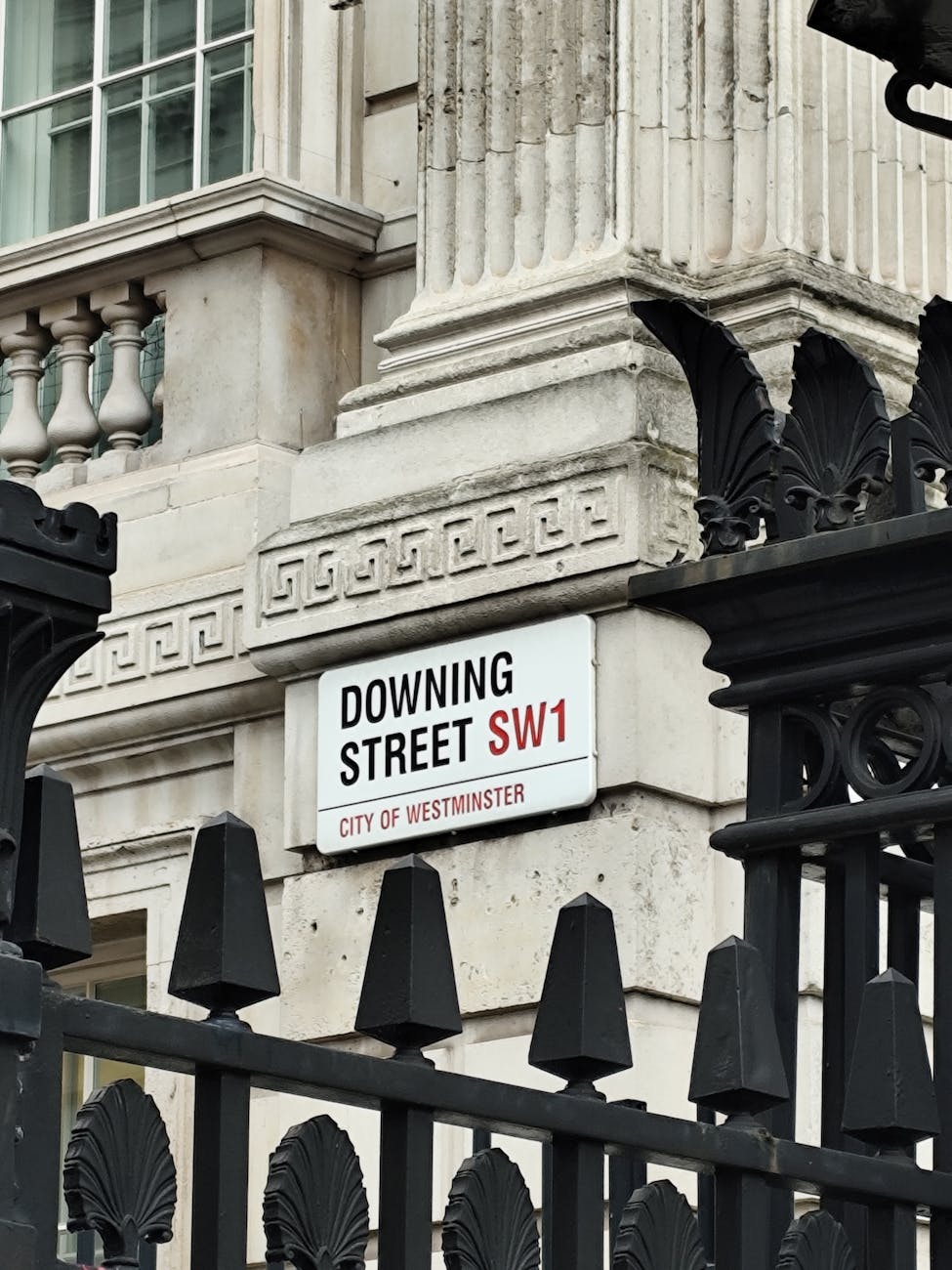
Speaking to reporters outside Downing Street on Monday morning, Starmer struck a defiant but strained note. “The country expects us to get on with governing,” he said. “The past 48 hours have been destabilising for government and that has a real economic cost for our country and for families.” He gave no indication that he would stand aside voluntarily.
Under Labour Party rules, a formal leadership contest is triggered only if 20 per cent of the Parliamentary Labour Party — currently 81 MPs — nominates a challenger. The threshold has not yet been publicly crossed, but the tally of more than 80 MPs urging Starmer to go, cited by Al Jazeera and the Associated Press, places the prime minister within a handful of votes of a forced contest. Party insiders told the BBC that the number could tip past 81 as early as Tuesday evening if a critical mass of backbench MPs breaks toward whichever cabinet figure moves first.
Health Secretary Wes Streeting, a centrist ally of Starmer who is widely seen as the most plausible leadership candidate among the cabinet, has not publicly called for the prime minister to resign. His silence through 48 hours of chaos is being read by MPs on both sides of the divide as a deliberate withholding of the full-throated endorsement Starmer’s camp had hoped for. Streeting has spent the past six months building a reputation as the government’s most effective media performer and has not ruled out a future leadership bid when asked directly on broadcast rounds.
The crisis has also exposed a deeper ideological rift within the party. Phillips and several of the departing aides belong to Labour’s soft-left faction, which backed Starmer’s leadership bid in 2020 but has grown frustrated with what it sees as an overly cautious approach to public spending and housing reform. The MPs now demanding Starmer’s exit span that faction, the party’s remaining Corbynite rump, and a growing number of centrist backbenchers who calculate that Labour cannot recover its polling position with Starmer at the helm.
What happens next
The cabinet meeting scheduled for Tuesday morning will determine whether Starmer’s government holds. If additional ministers follow Fahnbulleh and Phillips out the door, or if Streeting or another cabinet heavyweight breaks cover, the arithmetic shifts decisively against Starmer.
Labour’s National Executive Committee has broad discretion over the timing of any leadership contest. Party officials have signalled privately that they want the matter resolved before Parliament rises for the summer recess in late July, according to the BBC. That timeline would require a challenger to emerge within days and the 81-MP threshold to be met before the end of the week.
For now, Starmer remains in office. His grip on Number 10 depends on whether the next 24 hours produce cabinet solidarity or further resignations — and the past 48 hours have delivered nothing but the latter.
Dana Whitfield
Senior reporter covering UK politics, national security and community affairs.