Missouri Supreme Court Weighs Challenge to GOP-Drawn House Map
Missouri's Supreme Court weighed a GOP map that could flip a Democratic House seat, as Louisiana and South Carolina pursue redistricting.
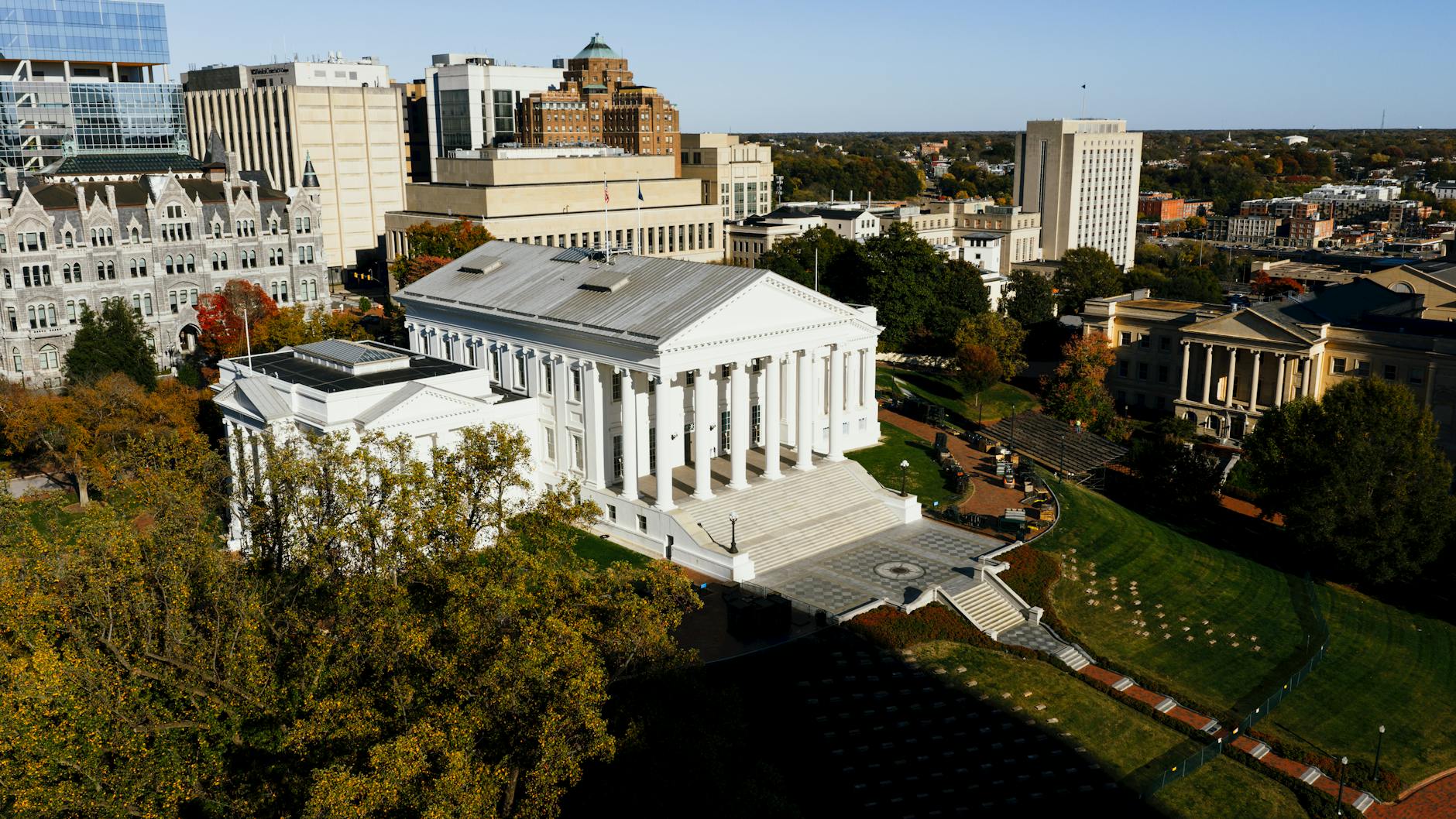
Missouri’s Supreme Court heard arguments Tuesday on a Republican-drawn congressional map that could flip a Democratic-held US House seat and give Republicans a 7-1 advantage in the state’s delegation.
At the center of the case is Kansas City’s 5th Congressional District, represented by Democrat Emanuel Cleaver since 2005. Signed by Governor Mike Kehoe last September, the new boundaries pull substantial rural and suburban Republican voters into what had been a reliably Democratic, urban-anchored seat. Community organizations in Kansas City’s historically Black neighborhoods have warned that the reconfigured lines would split precincts that have voted together for decades.
“If allowed to stand, it would represent a significant setback for fair representation in Missouri,” the American Civil Liberties Union and the Campaign Legal Center wrote in their challenge. The groups argue the map fractures Black communities in the Kansas City metropolitan area and violates the Missouri Constitution’s explicit compactness requirement.
Marina Jenkins, executive director of the National Redistricting Foundation, said the plan “brazenly violates the state’s compactness requirement by slicing Kansas City apart” in an interview with The Hill. Her organization is funding the litigation now before the seven-member state Supreme Court. A lower-court ruling in March went against the challengers, but the appeal has drawn intervention from civil rights organizations across the Midwest.
A Cole County circuit judge dismissed the initial challenge in March, ruling that the plaintiffs had not met the burden of showing a constitutional violation. The decision narrowed the challengers’ options to this single appellate path.
But the courtroom in Jefferson City is only one front in a coordinated, multi-state Republican effort to redraw district lines in the narrow window before the 2026 midterm elections. South Carolina and Louisiana are moving on parallel tracks, and in both states President Donald Trump has intervened personally. South Carolina’s House voted 87-25 last week to authorize the legislature to consider revisiting its congressional districts. Trump lobbied lawmakers in Columbia directly, according to legislators familiar with the discussions.
“If our maps, based on recent decisions, are not constitutional or violate those principles, then we should address that,” said Rep. Brandon Newton, a South Carolina Republican backing the review. Last week’s vote in Columbia marked the first time since the current lines were enacted that a chamber of the South Carolina legislature formally opened the door to mid-decade redistricting.
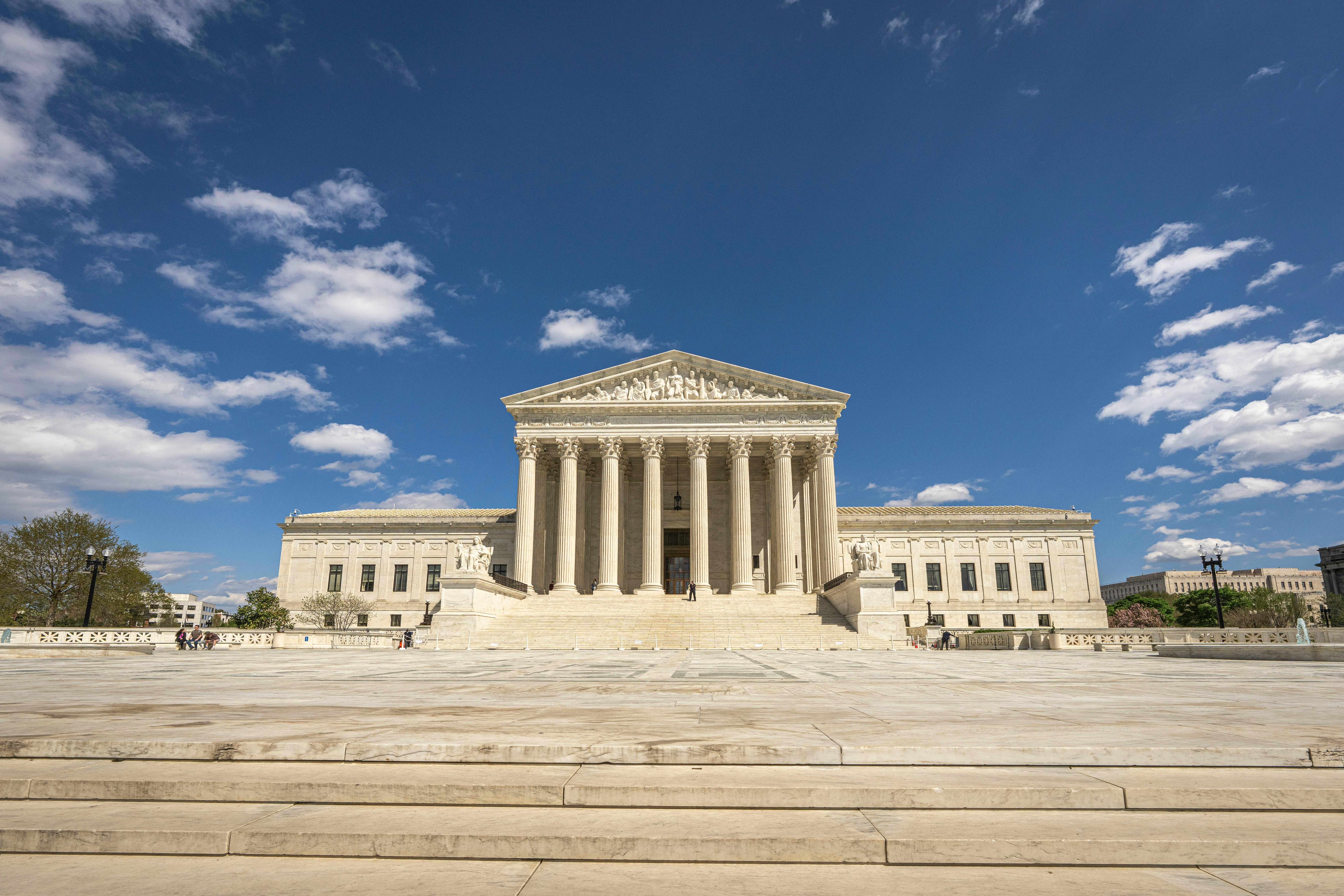
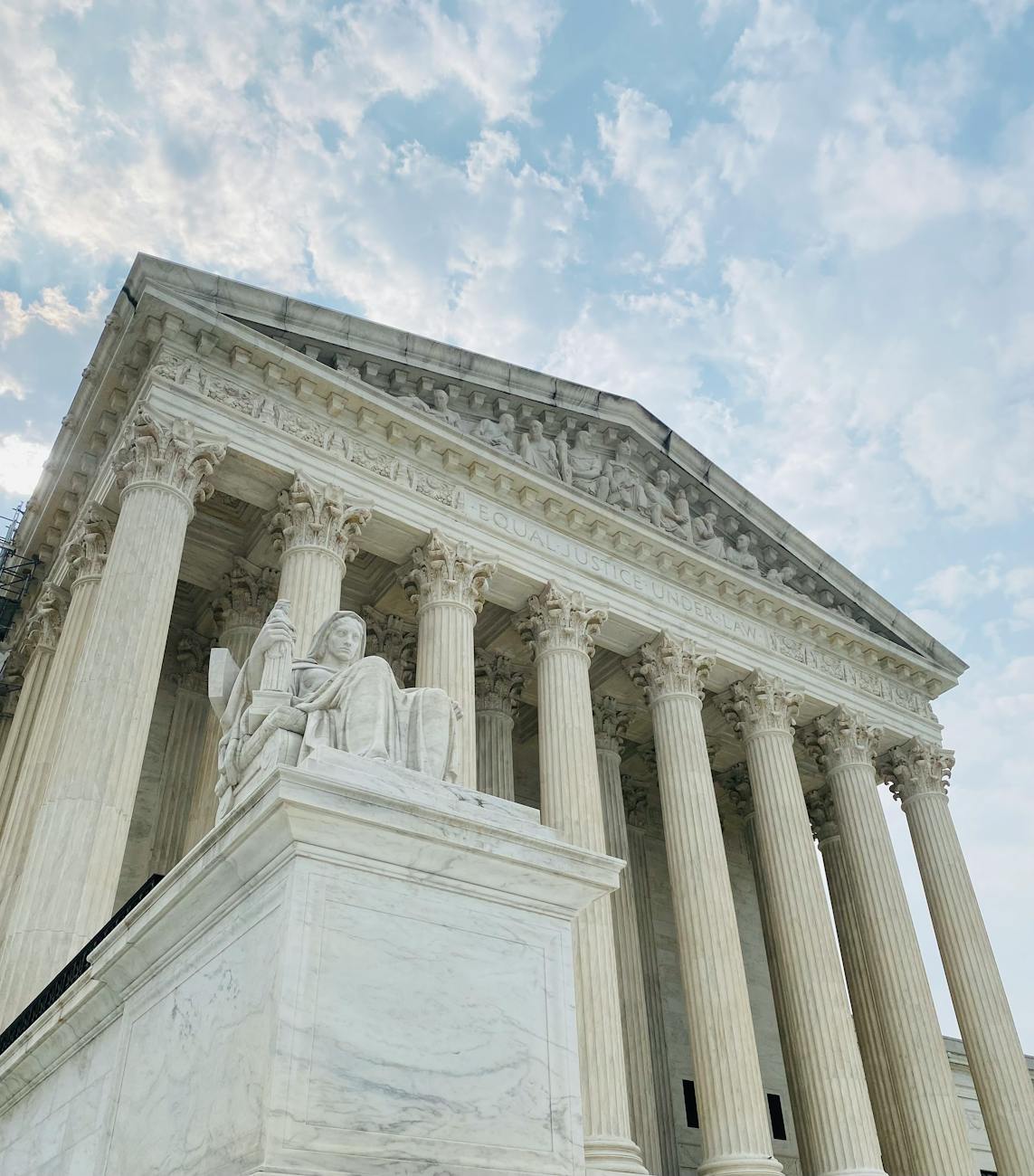
Louisiana is furthest along procedurally and faces the tightest timeline. On April 29, the US Supreme Court ruled 6-3 that the state’s 2024 congressional map — which established a second majority-Black district under a prior court order — was unconstitutional. Effectively, the ruling invited Louisiana’s Republican-dominated legislature to draw a replacement that could shrink Black representation in the House delegation. Governor Jeff Landry responded by postponing the state’s fall primaries to clear the calendar for a special redistricting session.
The postponement shows how aggressively the GOP is approaching the window between now and the general election — and how little room voting-rights advocates have to maneuver once a legislature decides to act.
Three states moving simultaneously is not a coincidence. Back in 2019, the Supreme Court’s decision in Rucho v. Common Cause held that partisan gerrymandering claims are beyond the reach of federal courts, shifting the legal battleground to state constitutions and state judges. State courts have diverged: North Carolina’s has blessed aggressive partisan maps; Ohio’s has struck them down. Missouri’s Supreme Court, where a majority of judges were appointed by Republican governors, now faces its turn. The Missouri challengers have not placed all their bets on the judiciary. Opponents of the map have submitted more than 300,000 petition signatures seeking to refer the redistricting plan to voters as a statewide ballot measure. If state election officials certify the signatures — a process that typically takes several weeks — the question would go before Missouri voters in November regardless of how the Supreme Court rules. It is a hedge: should the court uphold the map, voters could still reject it at the ballot box.
Ballot-measure campaigns are expensive, and midterm electorates tend to skew older and more conservative — an uncertain proposition for an issue that polling suggests most voters barely track.
A ruling from the Missouri Supreme Court is expected within weeks. The timing matters: candidate filing deadlines for Missouri’s August primary are approaching. Every day of uncertainty over district boundaries forces local election officials to maintain parallel sets of precinct maps and voter rolls. That logistical burden grows heavier the closer the state gets to the filing window. For Cleaver, the 5th District’s Democratic incumbent, the case is existential. He has not announced whether he will seek reelection under the new lines. Down-ballot races for state legislative seats that share territory with the reconfigured congressional district would also be affected, multiplying the stakes for both parties.
The broader signal carries weight. With Republicans holding the White House and both chambers of Congress, the party is testing how far it can push district lines through state-level action — and how much the courts are willing to stop it.

Eli Donovan
Supreme Court and legal affairs correspondent covering the federal judiciary and constitutional law. Reports from Washington.