Putin says Ukraine war coming to an end as ceasefire holds
Russian President Vladimir Putin said he believes the war in Ukraine is coming to an end, his first public signal of a possible off-ramp since a US-brokered three-day ceasefire took effect and both sides began exchanging 1,000 prisoners each.
Russian President Vladimir Putin told reporters on Saturday that he believes the war in Ukraine is “coming to an end,” his first public signal of a possible off-ramp since the US-brokered three-day ceasefire took effect, as both sides began exchanging 1,000 prisoners each in the largest swap of the conflict.
The remarks, delivered after a stripped-back Victory Day parade in Moscow that omitted the traditional tank columns and heavy armour, departed from the Russian leader’s previous insistence on maximalist territorial demands. “I think the matter is coming to an end,” Putin said, according to Al Jazeera, without giving a timeline or conditions.
His comments came hours after President Donald Trump said negotiations were advancing. “Talks are continuing… we are getting closer and closer every day,” Trump told reporters, according to Reuters. The US president brokered the ceasefire, which began Saturday and runs through Monday, as a confidence-building measure ahead of what both sides have signalled could be a broader end to hostilities.
The three-day truce is the first pause in fighting since the full-scale invasion began more than four years ago. Under its terms, Russia and Ukraine each committed to releasing 1,000 prisoners. Ukraine’s coordination headquarters confirmed the exchange had begun Saturday afternoon. The ceasefire covers the entire front line, though both sides have accused the other of sporadic violations in the Donetsk and Zaporizhzhia regions.
What Putin said
Putin gave no specifics on what a settlement would require and did not repeat earlier demands for international recognition of Russia’s annexation of Crimea and four Ukrainian regions. Moscow has previously made recognition of those territorial claims a precondition for talks.
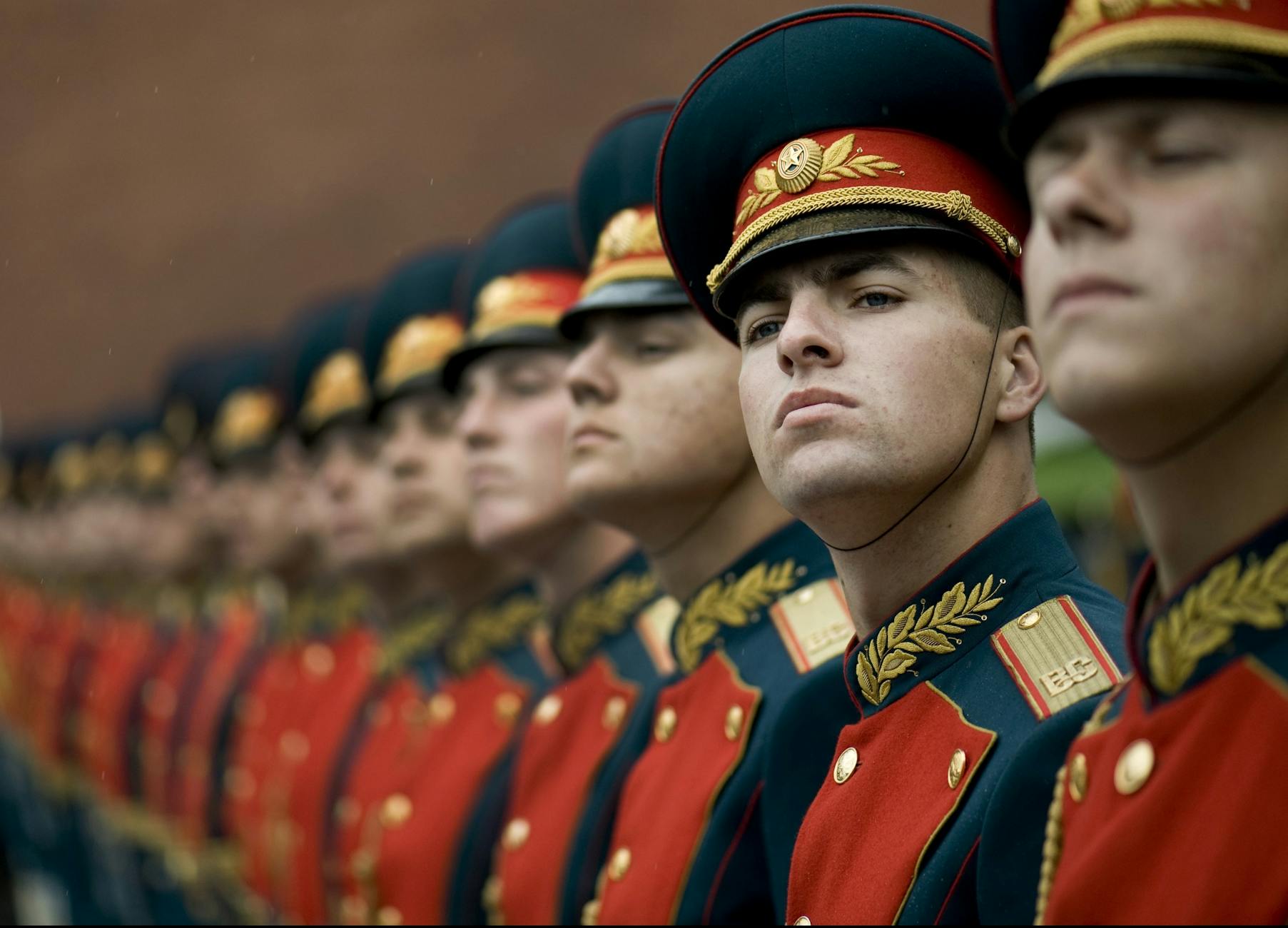
The Russian leader spoke after a Victory Day parade that showed the toll the war has taken on Russia’s military. The annual event, commemorating the Soviet defeat of Nazi Germany, featured no modern tanks, fewer troops than usual, and heavy air-defence coverage, a precaution against Ukrainian drone attacks that have reached Moscow in recent months.
The Trump factor
Trump has made ending the Ukraine war a centrepiece of his foreign policy since returning to the White House in January. The ceasefire follows weeks of shuttle diplomacy involving Secretary of State Marco Rubio and National Security Adviser Michael Waltz, who held separate talks with Russian and Ukrainian officials in Istanbul and Riyadh.
The US president has not disclosed the full terms of the ceasefire framework. Officials in Washington have indicated that a longer-term proposal would freeze the conflict along the current front line, where Russia controls roughly one-fifth of Ukrainian territory, with security guarantees for Kyiv negotiated separately. A second round of talks, potentially in Geneva, is being prepared for next week.
The push for a negotiated end has drawn mixed reactions on Capitol Hill. Several Republican senators have cautioned against any deal that would ratify Russian territorial gains, while a faction aligned with Trump’s foreign policy has urged the White House to end US military aid commitments.
The view from Kyiv
Ukrainian President Volodymyr Zelenskyy has not directly responded to Putin’s latest remarks. In a video address on Friday, he said Ukraine was “prepared to take the next step” if Russia showed genuine willingness to withdraw, but warned that Kyiv would not accept a settlement that left its territory under permanent occupation.
A senior Ukrainian defence official, speaking on condition of anonymity, told Reuters that the prisoner exchange was proceeding smoothly and that Kyiv viewed it as a test of Moscow’s willingness to honour broader commitments. “If they deliver on the swap, that is a data point. If they don’t, the whole framework collapses,” the official said.
European officials urged caution. European Council President Antonio Costa, speaking in Brussels on Saturday, said the bloc “welcomed any genuine reduction in violence” but insisted that any settlement “must respect Ukrainian sovereignty and territorial integrity.”
What happens next
The ceasefire expires on Monday evening. Diplomats from France, Germany, and the United Kingdom have been briefed on the US proposal and are expected to join talks on a longer-term security architecture for Ukraine.
Russia controls about one-fifth of Ukraine’s territory, including Crimea, most of Luhansk, and parts of Donetsk, Zaporizhzhia, and Kherson. Moscow has not indicated it is prepared to withdraw from any of those areas. Putin’s remarks on Saturday stopped short of acknowledging any territorial concession.
The past four years have produced at least three previous ceasefire attempts, all of which collapsed within days. US officials argue the difference this time is the scale of the prisoner exchange and Trump’s direct involvement, which gives him leverage over both sides that the Biden administration lacked.
Whether Putin’s remarks are a genuine shift in Moscow’s position or a tactical pause while Russia reconstitutes its forces remains the central question as the Monday deadline approaches.

Anya Voronova
Eastern Europe correspondent covering the war in Ukraine, Russia and the Caucasus. Reports from Warsaw.