Samsung crosses $1tn market value as AI memory boom rewrites Asia chip order
Samsung Electronics crossed a $1tn market value on Wednesday, only the second Asian company after TSMC to reach the threshold, after a 14 per cent share-price jump driven by record memory-chip earnings and tightening AI supply.
SEOUL. Samsung Electronics crossed a $1tn market valuation for the first time on Wednesday after shares of the world's largest memory-chip maker jumped 14 per cent in Seoul trading, Bloomberg reported. The South Korean company became only the second Asian firm after Taiwan Semiconductor Manufacturing to reach the threshold, marking a structural shift in how investors price the supply side of the artificial-intelligence build-out.
The rally drove the Kospi benchmark up more than 6 per cent, taking it past 7,000 points for the first time. Samsung's gain followed first-quarter results on April 30 that the company described as a record across revenue and operating profit. The numbers reset analyst views on how long the AI memory cycle can run.
Samsung posted 133.9 trillion won ($89.96bn) in consolidated revenue for the three months to March, CNBC reported, a 43 per cent quarter-on-quarter increase and 70 per cent year-on-year. Operating profit reached 57.2 trillion won, more than eight times the same period a year earlier and ahead of analyst estimates of 55.28 trillion won. The chip division alone produced 53.7 trillion won in operating profit, accounting for over 90 per cent of group earnings.
Margins above Nvidia and TSMC
Counterpoint Research analyst Jeongku Choi told CNBC that Samsung's first-quarter operating profit margin exceeded 70 per cent, surpassing those of Nvidia and TSMC for the same period as the global memory shortage continued to push prices higher. "Due to the boom driven by rising memory prices, we expect the next quarter to be better than the first, and we anticipate 2026 to be the best year for Samsung yet," Choi said.
Samsung's own guidance described demand fulfilment rates at a record low and customers booking 2027 supply forward. "Unlike previous years, customers who are concerned about supply shortages are actually bringing forward their demand for 2027," the company said in its earnings report, adding that the supply-demand gap is expected to widen further next year.
The HBM race
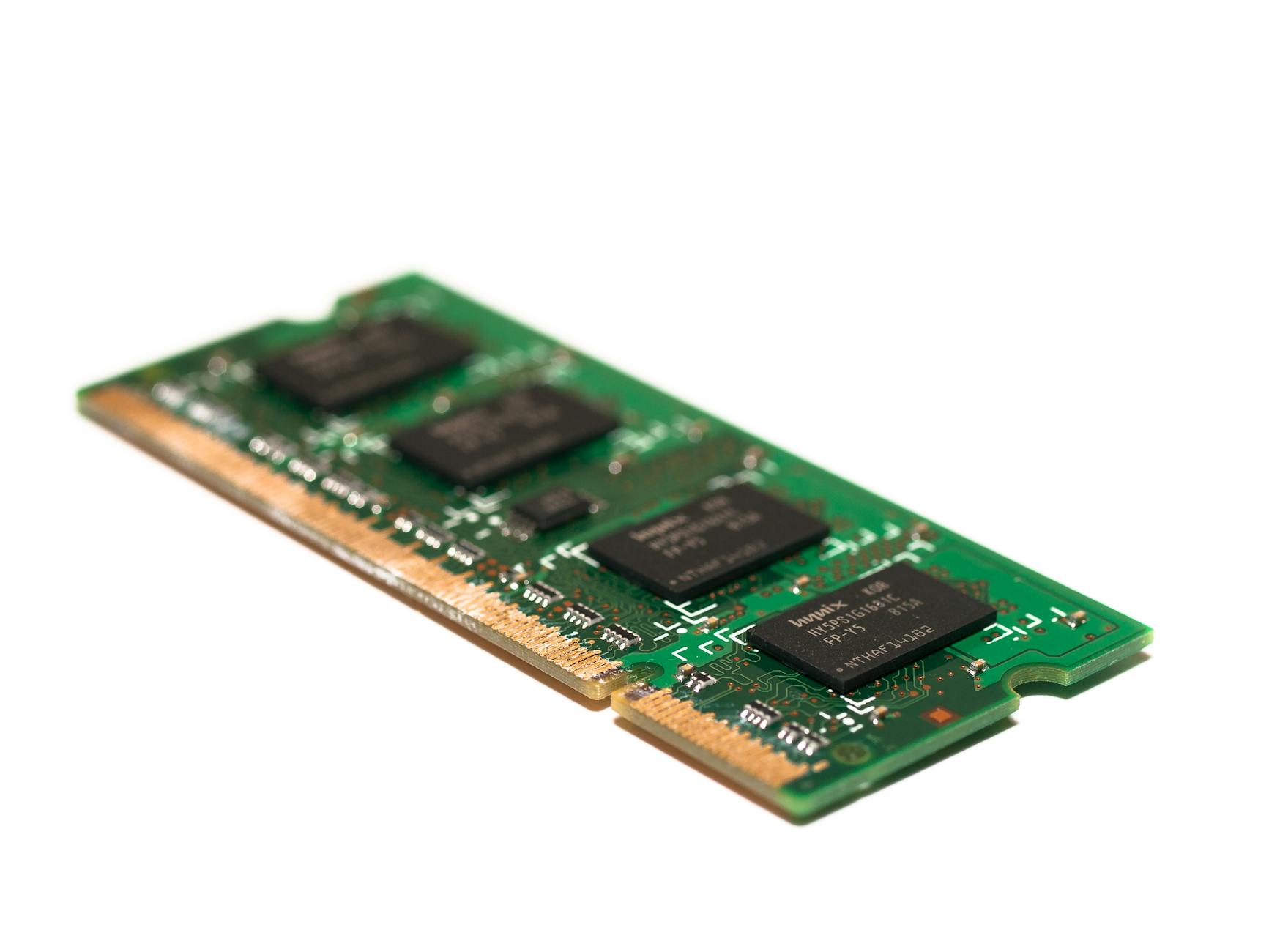
Samsung's earnings statement confirmed it had begun mass shipments of HBM4 high-bandwidth memory and SOCAMM2 modules for Nvidia's next-generation Vera Rubin platform. The company said its first HBM4E samples are scheduled for delivery in the second quarter, the most advanced sixth-generation HBM technology available. SK Hynix, the Korean rival that overtook Samsung in HBM revenue last year, held a 57 per cent share of the segment in the final quarter of 2025 according to Counterpoint.
The competitive picture matters for hyperscaler customers. Nvidia, AMD, Apple and the largest cloud operators all need both leading-edge logic from TSMC and high-bandwidth memory stacks from Samsung, SK Hynix or Micron to ship AI accelerators at volume. The Korean memory pair are, between them, the supply side that is currently constraining the pace at which Big Tech can deploy roughly $725bn of 2026 capital expenditure.
Why this is not TSMC
TSMC reached the trillion-dollar mark in mid-2025 and trades today at roughly $2tn, The Next Web reported. The Taiwanese foundry runs a near-monopoly in leading-edge logic, the manufacturing process behind every advanced AI accelerator. Samsung's $1tn rests on memory, a market it shares with SK Hynix and Micron. The two companies are complements rather than competitors at the silicon level, the Next Web noted, and the framing of "joining the elite club" matters less than the structural difference between them.
Tom's Hardware reported in late April that Samsung and SK Hynix had jointly warned that AI-driven memory shortages would persist through 2027 and beyond. That guidance was a key piece of the Wednesday rerating, the company's outlook said server memory demand would remain strong through the second half as hyperscalers accommodate enterprise AI adoption and the agentic-AI use case scales.
Apple talks and the bigger reshuffle
Bloomberg reported on April 22 that Apple has had "exploratory discussions" about using Intel and Samsung Electronics to produce the main processors for some of its devices manufactured in the United States. The talks remain early. Samsung itself has been working through a leadership reshuffle this year, including a recent change at the head of its Visual Display business. The trillion-dollar milestone arrived during a period in which the company's top-line story is dominated by memory and its consumer-electronics businesses are being repositioned around AI integration.
Neil Shah, research vice-president at Counterpoint Research, told The Telegraph that Samsung's milestone reflects the breadth of its position in the AI ecosystem. "For Samsung, while it is a vertically integrated systems company, it is an even larger horizontal player enabling the tech ecosystem with semiconductor foundry, memory, sensors and battery solutions, leading in many of these areas," Shah said. "The memory tightness will continue not only this year but through 2029 as we move from the generative AI to the agentic era, pushing memory demand even higher."
Three things follow
First, the structural validation of the AI memory supercycle. Investors had spent the back half of 2025 debating whether HBM demand would persist at the rate analyst models implied or moderate as customer procurement plans normalised. The Samsung milestone, on top of SK Hynix's parallel rally, suggests the market has settled in favour of the persistence thesis.
Second, the bargaining power has shifted. The hyperscaler capital-expenditure programmes, the project-level data-centre financings, the model-deployment partnerships, all run on memory pricing that Samsung and SK Hynix substantially set. The trillion-dollar valuation is, in that sense, an index of the supply side's leverage rather than a milestone of corporate performance alone.
Third, geographic concentration. Two Korean firms and one Taiwanese foundry now control most of the AI accelerator supply chain. Apple's reported interest in Intel and Samsung as US-based logic partners is a small move in the opposite direction. The trillion-dollar Korean memory champion sets the price the rest of the AI economy pays.
Kai Mendel
Technology editor covering fintech, AI and the platform economy. Reports from San Francisco.