Section
Markets
Treasury yields become a check on Washington's Iran policy
Treasury yields near 4.7 per cent are turning the Iran war and deficit fears into a live political constraint for Trump and the Fed.
Oil prices jump 3% as Iran hardens uranium stance
Oil prices jumped more than 3 per cent after Ali Khamenei ruled enriched uranium must stay in Iran, tying nuclear talks to Hormuz risk.
Bank Indonesia rate hike shows how Iran shock hits Asia
Bank Indonesia rate hike to 5.25% after a rupiah record low shows how the Iran war is feeding currency stress and imported inflation across Asia.

Hawkish Fed minutes complicate the transition to Warsh
Fed minutes showed more officials open to another rate increase if war-driven inflation persists, leaving Kevin Warsh to inherit a hawkish committee.
Kevin Warsh sworn in as Fed chair under market pressure
Kevin Warsh's swearing-in as Federal Reserve chair starts a handover that markets will judge by his first statements on rates, inflation and independence.
US extends Russian oil waiver as Iran war strains supply
Washington renewed a 30-day waiver for Russian seaborne oil after briefly letting it lapse, showing how the Iran war is bending sanctions policy under market stress.

South Korea volatility jumps as foreign selloff deepens
South Korea volatility jumped as foreign investors sold $13.2 billion of stocks, exposing how chip concentration and oil risk are testing appetite.

India rupee hits record low as Iran war jars markets
India’s rupee hit a record 96.3875 per dollar as Brent neared $110 and higher Treasury yields pulled stocks and emerging-market risk lower.
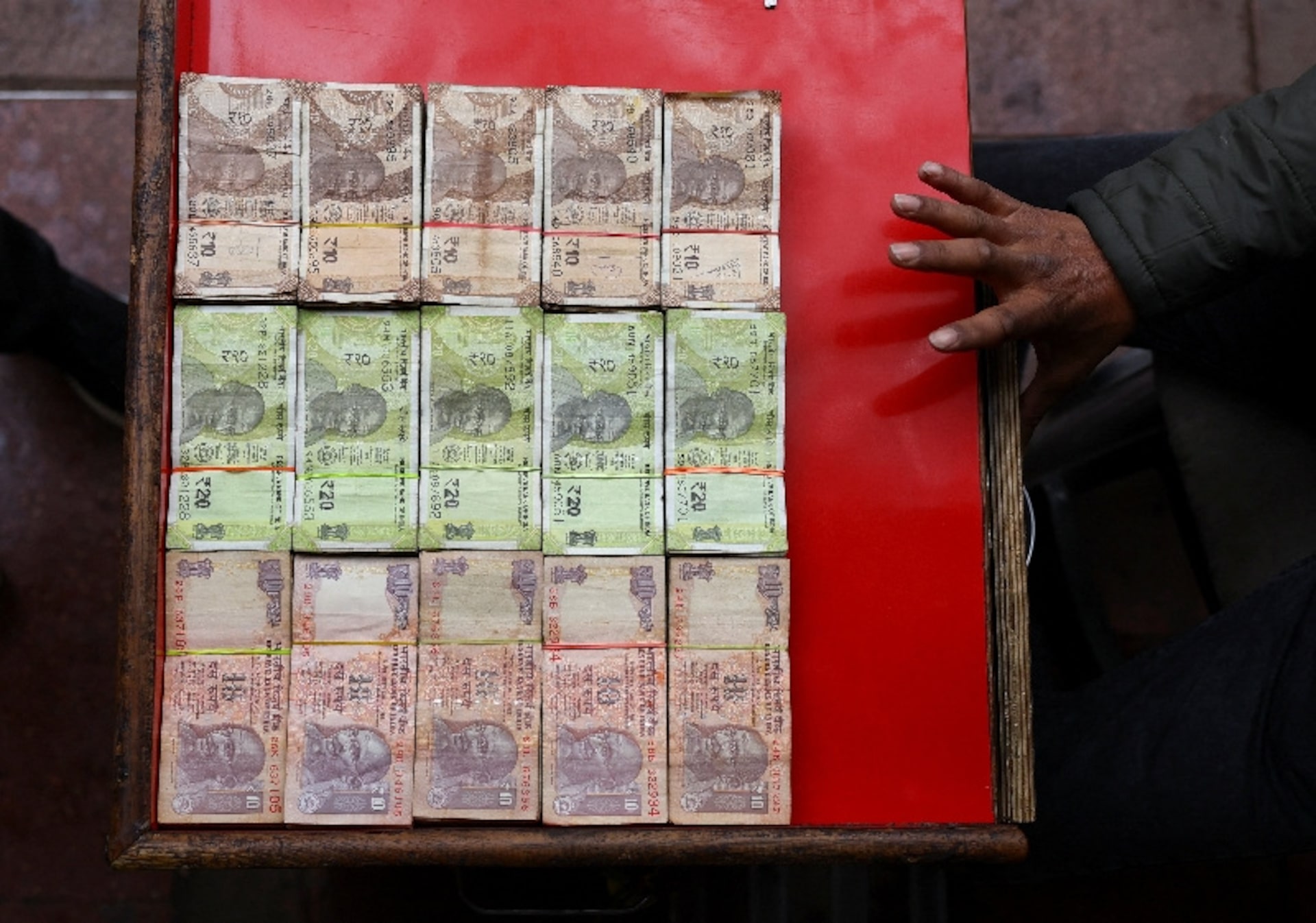
US lets Russia oil waiver expire as markets tighten
The Trump administration allowed a waiver tied to Russian crude sales to lapse, tightening sanctions as oil markets stay sensitive to fresh supply disruptions.
Warsh inherits divided Fed as inflation clouds rate-cut path
Kevin Warsh arrives at the Federal Reserve with inflation still above target, dissent inside the committee and markets scaling back hopes for quick rate cuts.
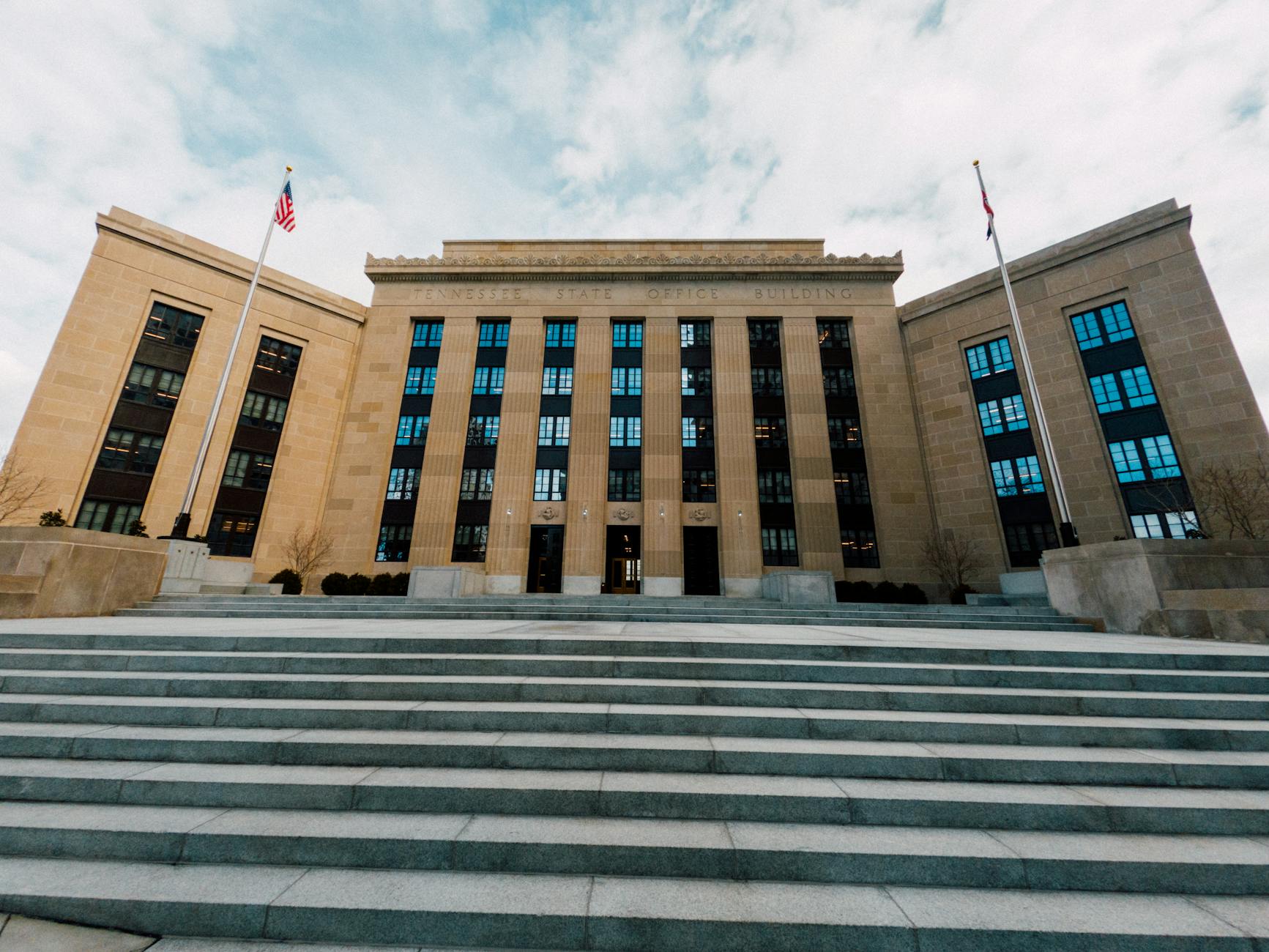
Markets price Fed hike risk as bonds sell off
Traders are pricing a roughly 60 per cent chance of a quarter-point Fed hike by January, a sharp turn that is rippling through Treasuries.
Warsh's Fed shrinkage plan hits Treasury debt wall
Warsh wants a smaller Fed footprint, but heavy Treasury issuance, a 5.8 per cent deficit and still-crucial reserve balances complicate that retreat.
Powell interim Fed role sparks fresh fight before Warsh takes over
Jerome Powell's temporary role before Kevin Warsh takes over the Federal Reserve has become a new flashpoint over independence, board authority and how markets will read the transition.
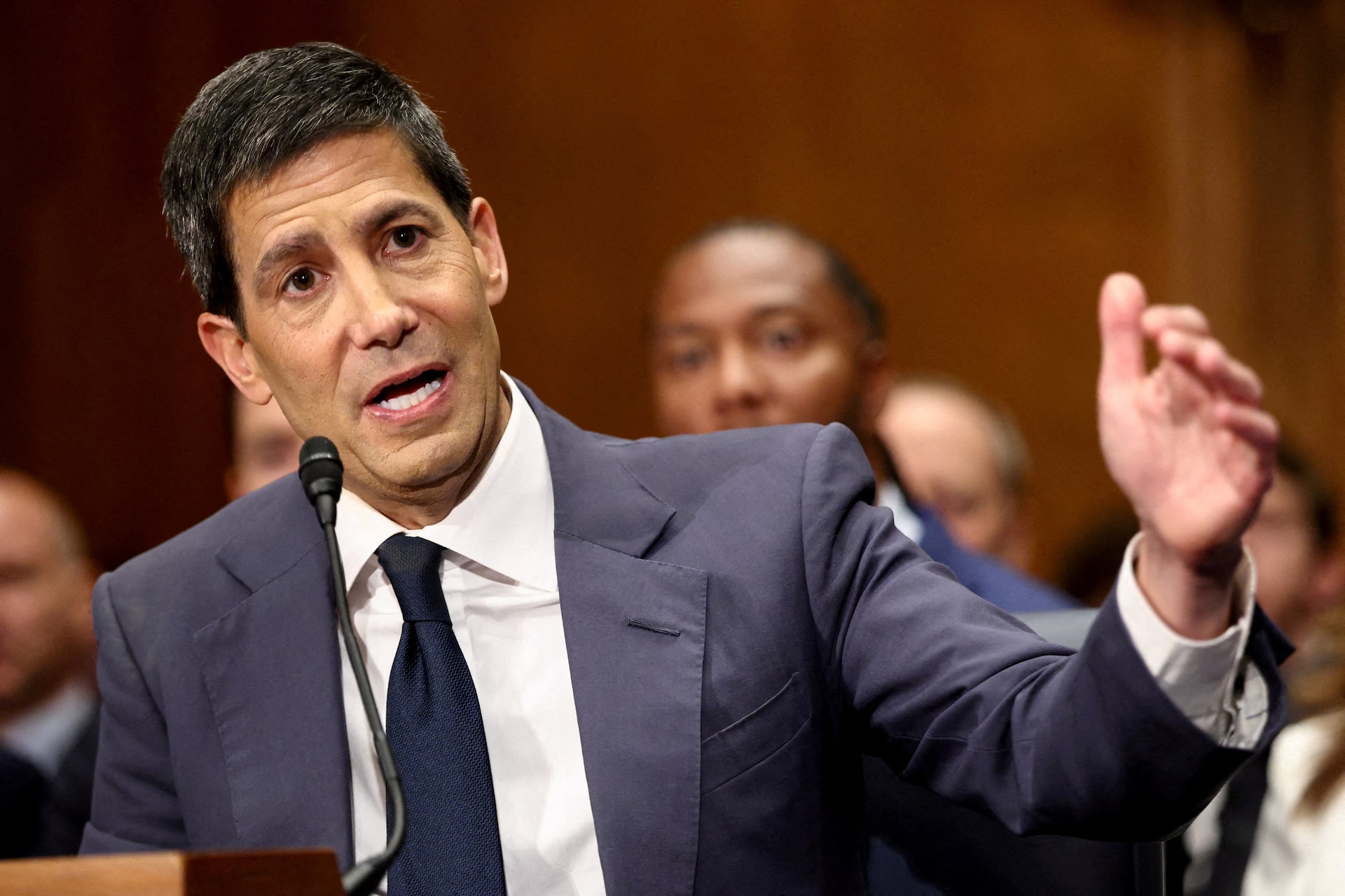
Fed's Barr says wrong to lower liquidity rules to shrink Fed holdings
Federal Reserve Vice Chair Michael Barr warned that easing liquidity requirements to shrink the Fed's $6.7 trillion balance sheet would threaten financial stability, in pointed remarks ahead of incoming chair Kevin Warsh's tenure.

Gilt yields hit 1998 high as Streeting quits to challenge Starmer
UK 30-year gilt yields surged to their highest level since 1998 on Wednesday after Health Secretary Wes Streeting resigned to launch a leadership challenge against Prime Minister Keir Starmer, rattling bond markets already strained by the Iran war and a global energy crunch.
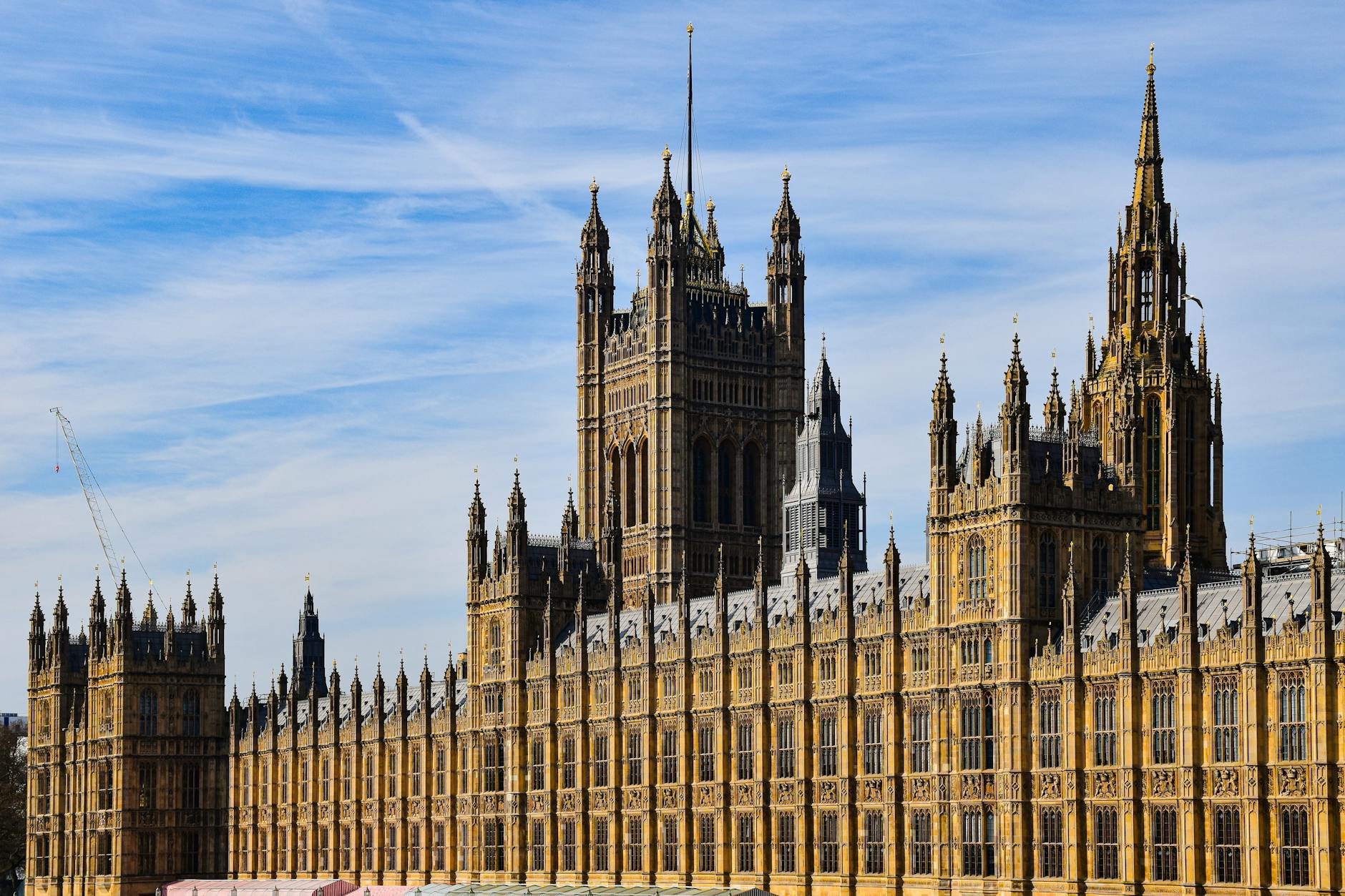
US 30-year bond yield tops 5 per cent for first time since 2007
The US Treasury sold $25 billion in 30-year bonds at a yield of 5.046 per cent on Wednesday, the first time the long-bond sale has priced above 5 per cent since 2007, as the Senate confirmed Kevin Warsh as Fed chair and inflation data hit multi-year highs.
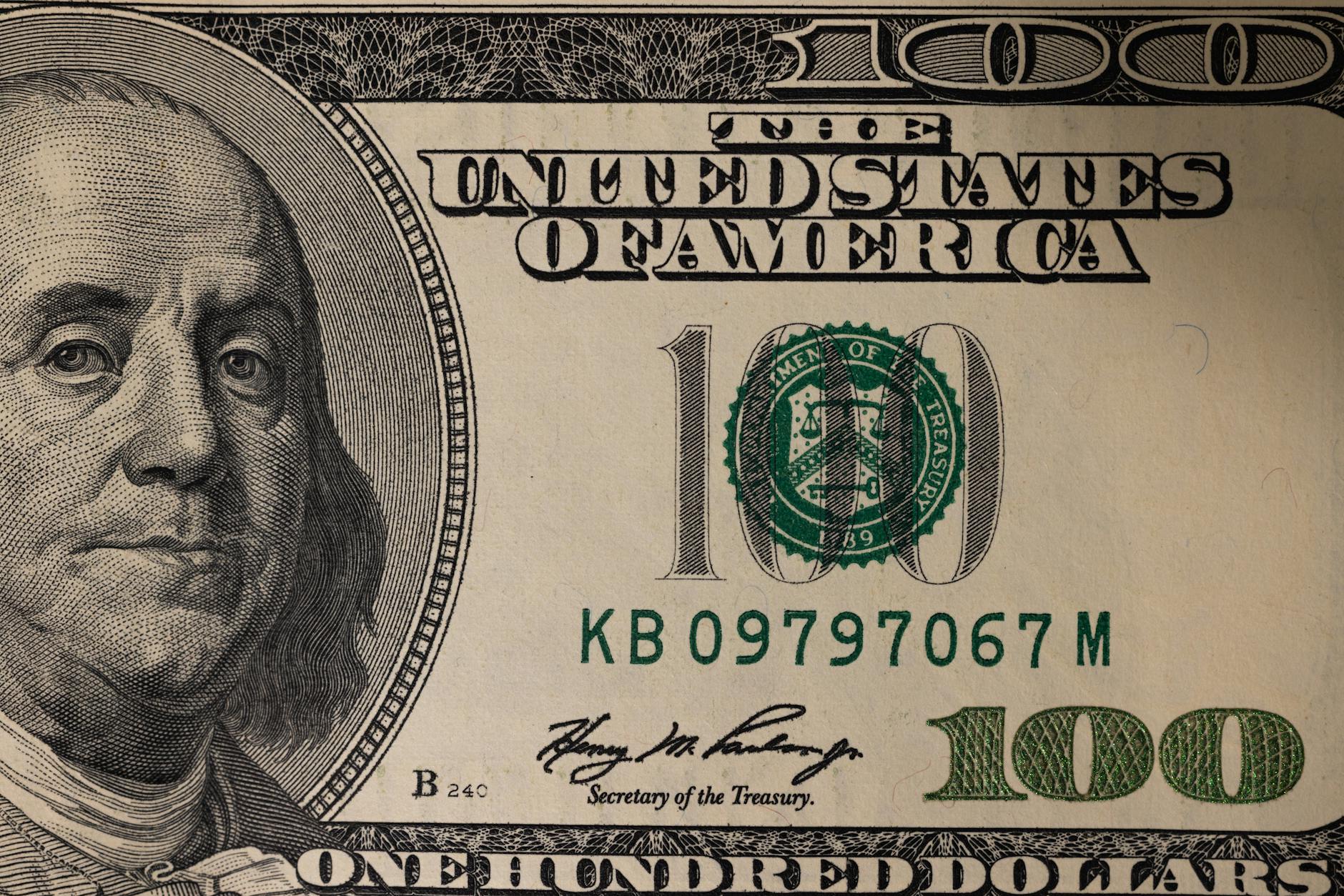
Warsh confirmed Fed chair as US inflation hits 3.8 per cent
The Senate confirmed Kevin Warsh as chair of the Federal Reserve in a 54-45 vote, the most divisive in the institution's history, as April consumer prices rose 3.8 per cent — the fastest pace since May 2023.
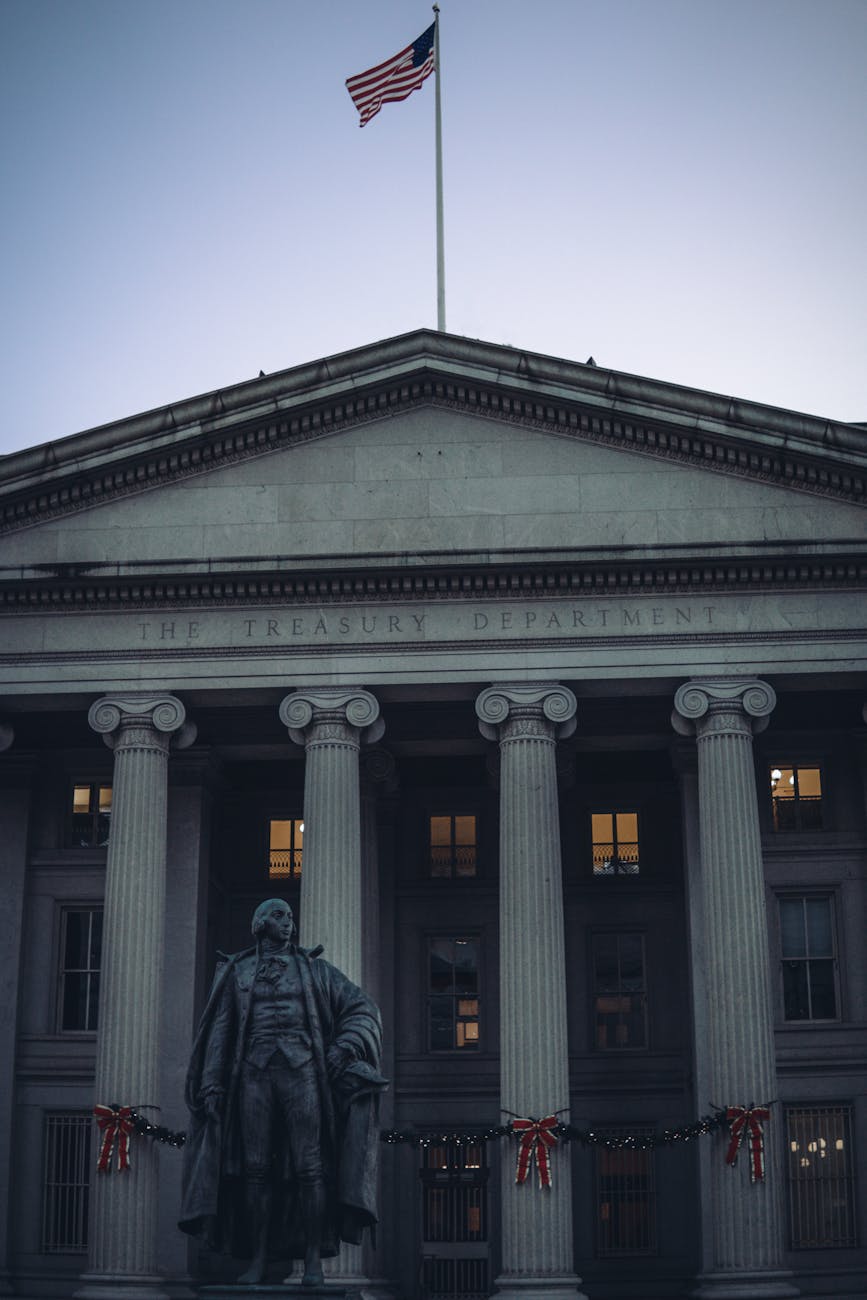
UK gilt yields surge to 28-year high as pressure mounts on Starmer
Thirty-year UK government bond yields climbed to 5.81 per cent on Monday, their highest since 1998, as financial markets priced in the growing likelihood of Prime Minister Keir Starmer's departure following a wave of Labour MP defections.
Bond Market's Warsh Trade Falls Apart as Oil Fans Inflation Risk
The $31 trillion Treasury market is reversing its most telegraphed bet of 2026 as surging oil prices and sticky inflation force traders to scrap rate-cut expectations ahead of incoming Fed chair Kevin Warsh's confirmation.
UK 30-year gilt yields surge to highest since 1998 as Starmer fights to stay on
British borrowing costs hit a near three-decade high on Monday as Prime Minister Keir Starmer battled to contain a Labour rebellion triggered by disastrous local election losses, with the 30-year gilt yield reaching 5.80 percent and the pound sliding.
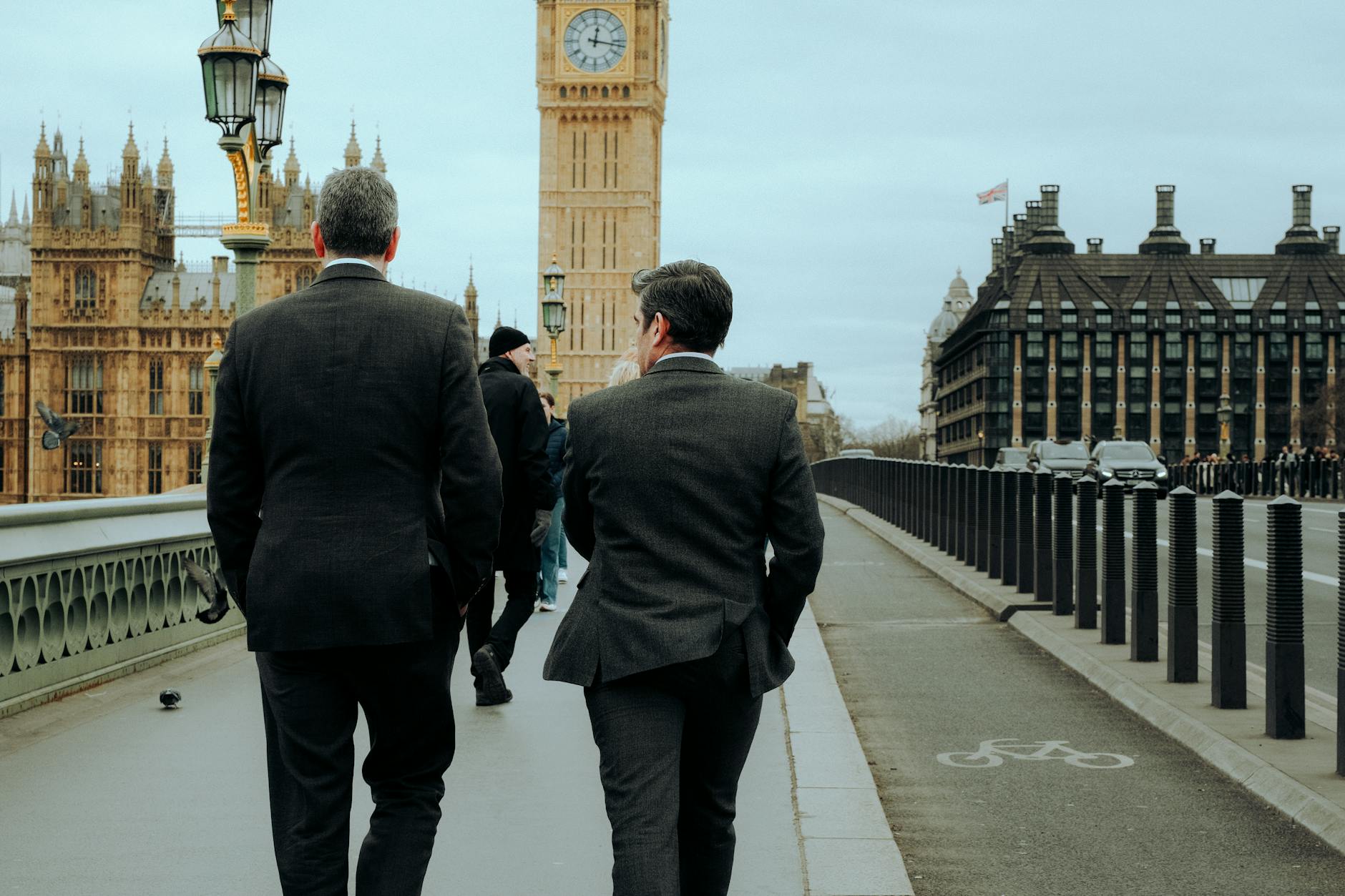
Stocks Climb to Records Even as Oil, Yields and Volatility Rise Together
U.S. equities reached fresh all-time highs on Monday despite surging crude prices, climbing Treasury yields and elevated volatility — a rare configuration that has historically preceded sharp reversals.

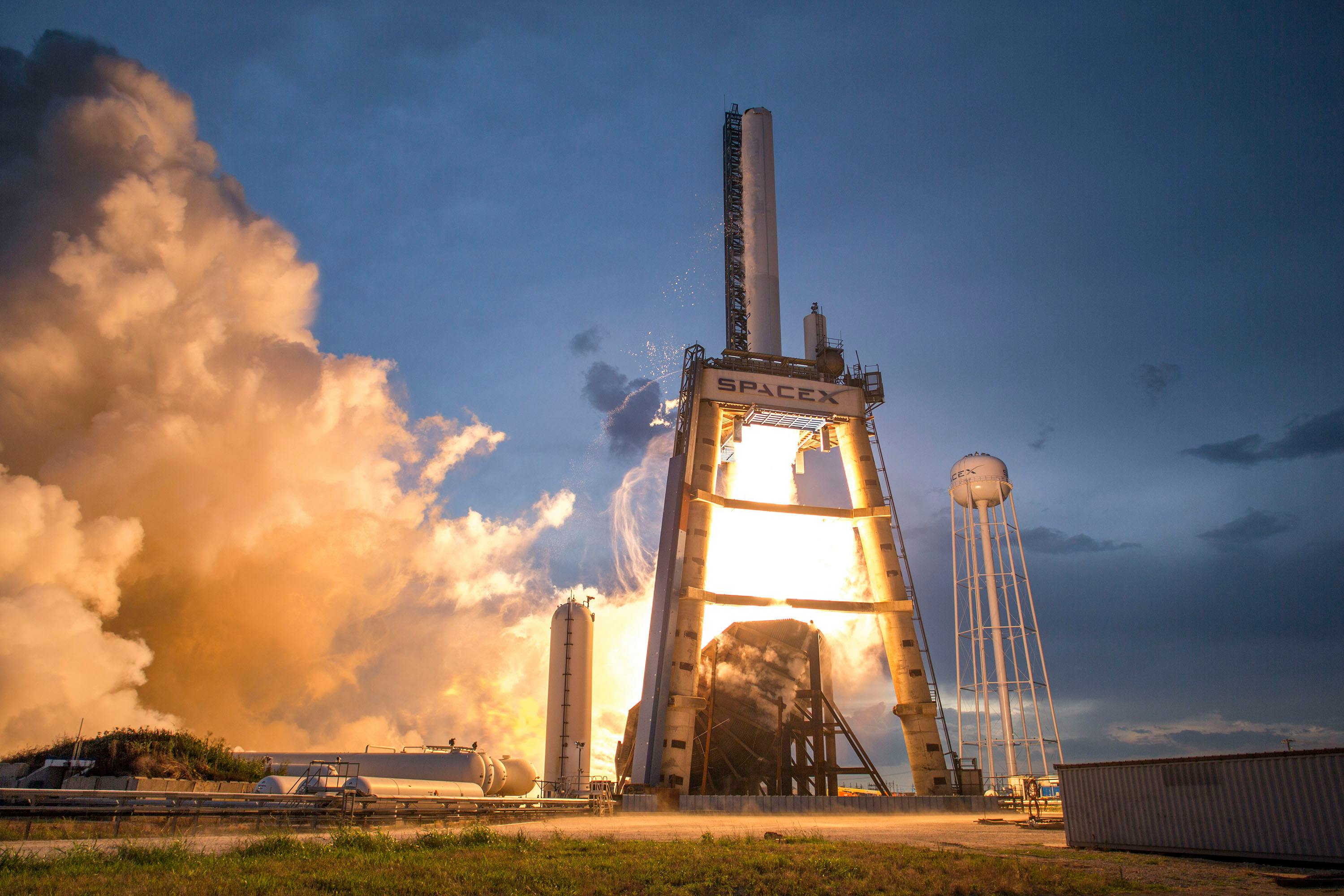
SpaceX IPO Tests Limits of Market Liquidity Depth
SpaceX plans a $75 billion IPO at a $1.75 trillion valuation. The record listing could drain investor capital from smaller issuers and reshape market flows.
Bowman warns Fed capital rules shifted corporate lending into private credit
Federal Reserve Vice Chair for Supervision Michelle Bowman said post-2008 bank capital rules created a "perverse incentive" that drove corporate lending from regulated banks into the $1.4 trillion private credit market, and outlined a Basel III recalibration to bring some of that activity back.
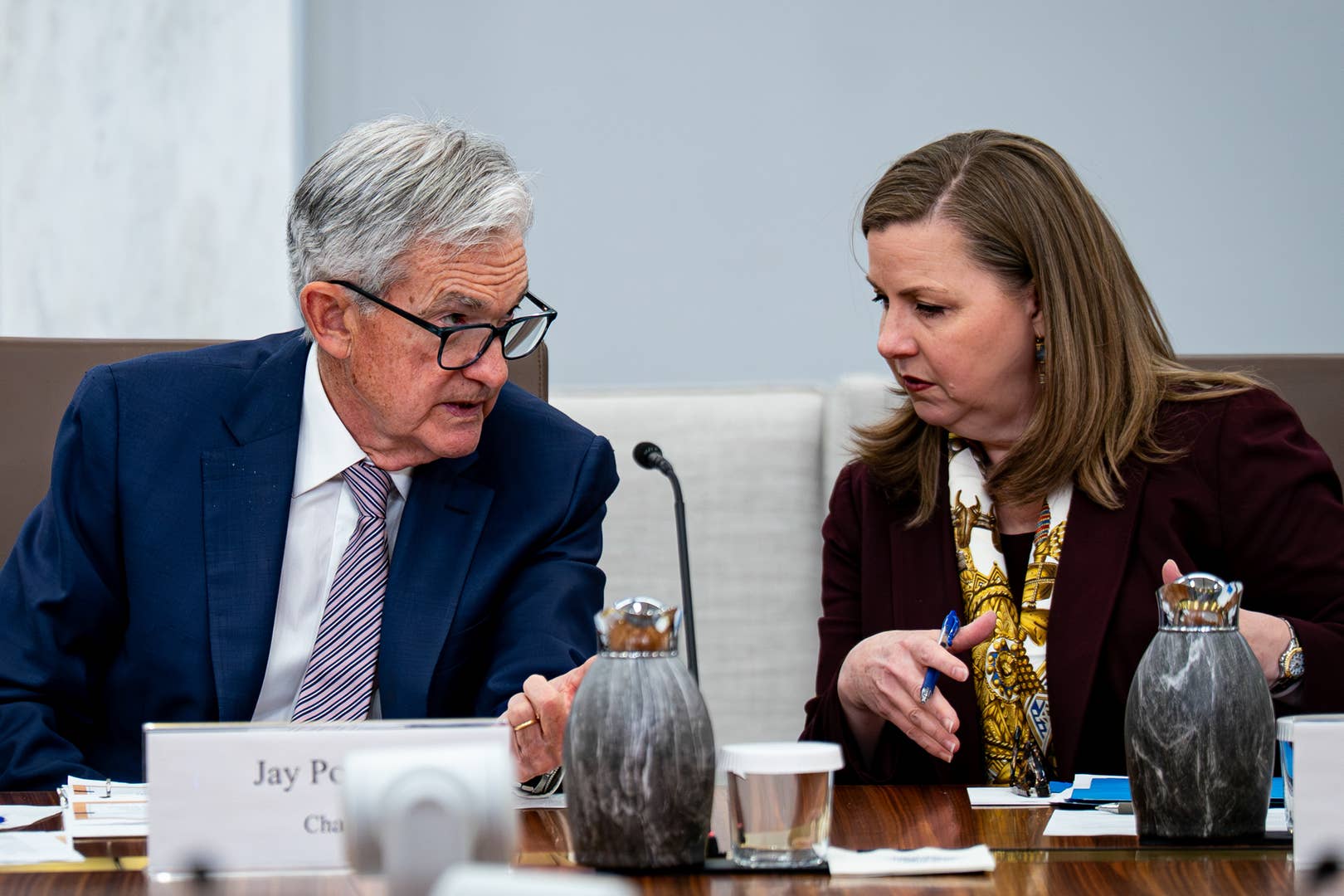
Powell to stay on Fed board after chairmanship, breaking 75-year norm
Federal Reserve Chair Jerome Powell said he will stay on the Board of Governors after his term as chair ends 15 May, citing an open criminal inquiry into the central bank's $2.5bn building project. The decision breaks a 75-year tradition.
Energy volatility permanent after Hormuz closure, warns IEA
The head of the International Energy Agency has warned that the oil supply disruption from the Strait of Hormuz closure is not a temporary shock but the new baseline for global energy markets, as prices, bond markets, and fertiliser supply chains reel from the largest supply disruption in modern history.